Case study · REZET Global × REZET Hub · Logistics · Argentina
Yusen Logistics: banner & upholstery upcycling.
REZET Global did the upcycling. REZET Hub worked alongside them on the metrics, so Yusen Logistics could share its impact with a record behind every figure.
Proof
Three streams, two workshops, four products.
Yusen Logistics had no waste of its own: it chose recovered materials and colours from REZET Global’s stock and put its gift budget into craftsmanship, durability and genuine material value.
The material had more value left in it. With creativity, innovation and a trained eye, what others see as waste can be recognised for what it still has to offer, then redesigned around a new purpose without losing the story of where it came from.
Evidence
Making Impact Traceable, Transparent & Verifiable.
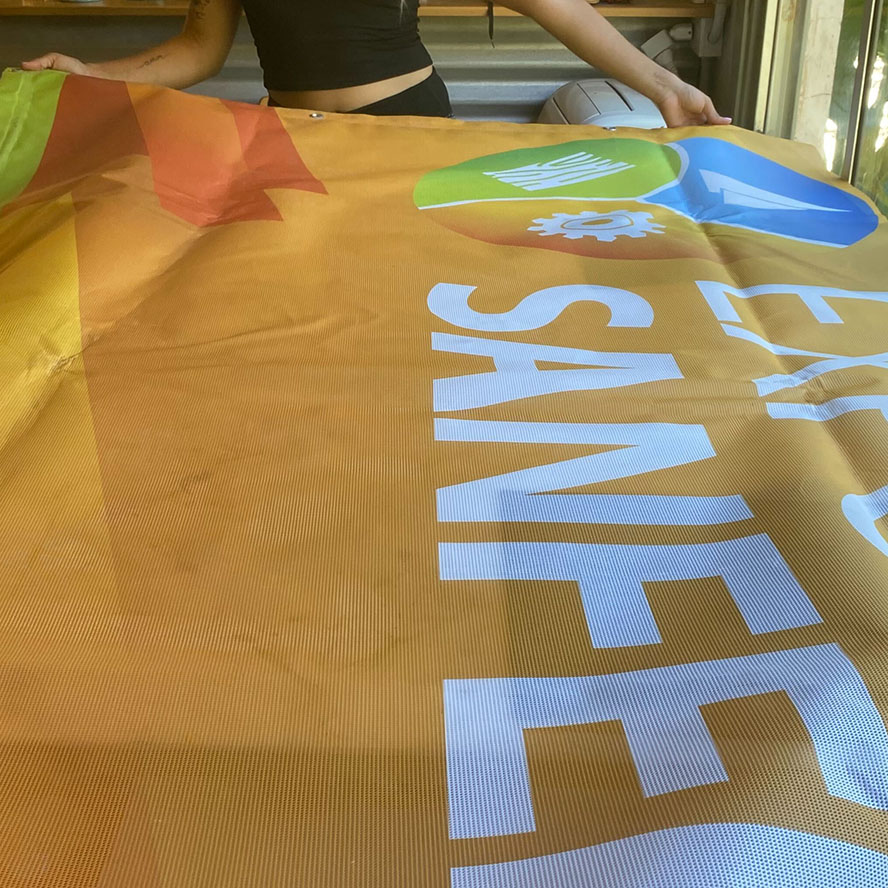
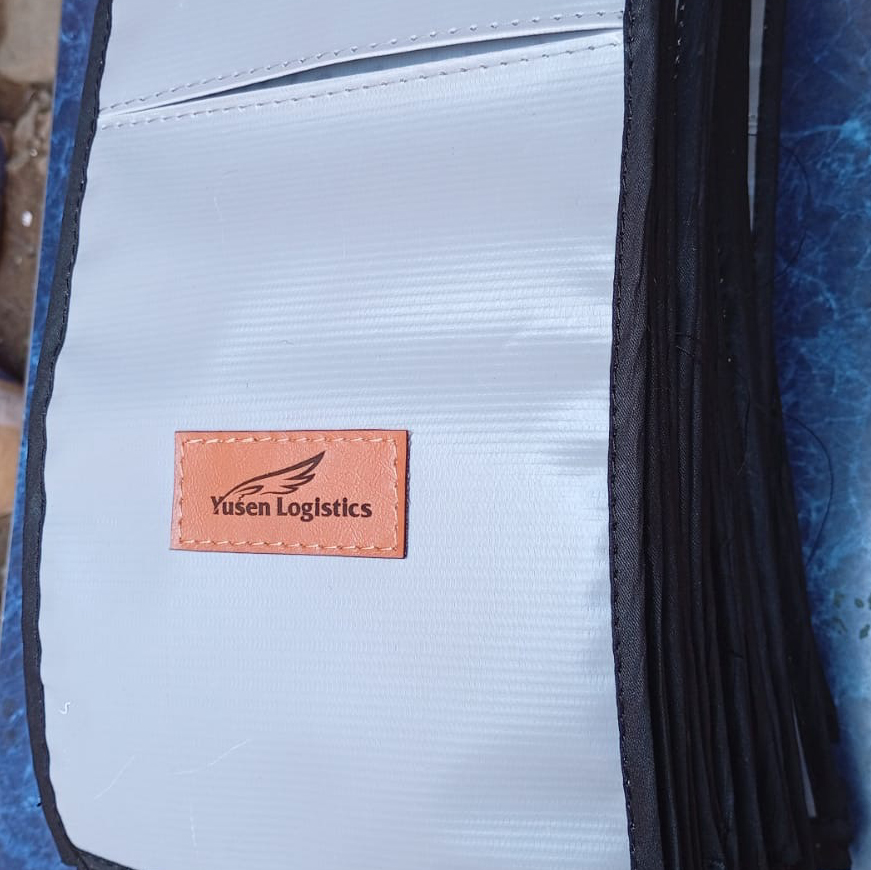
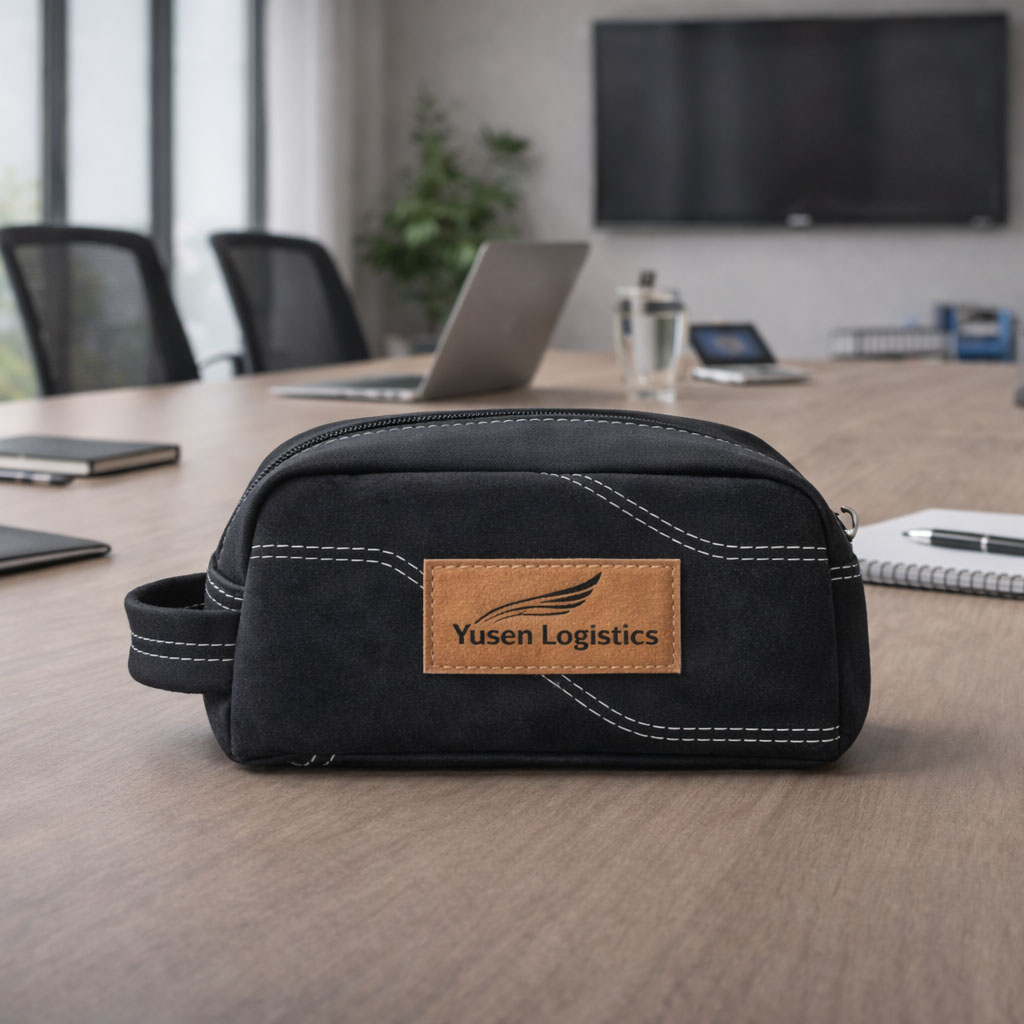
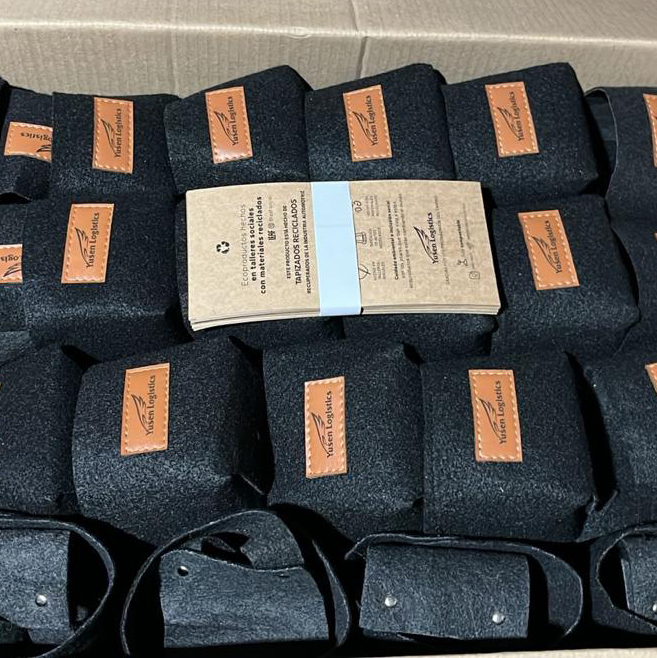
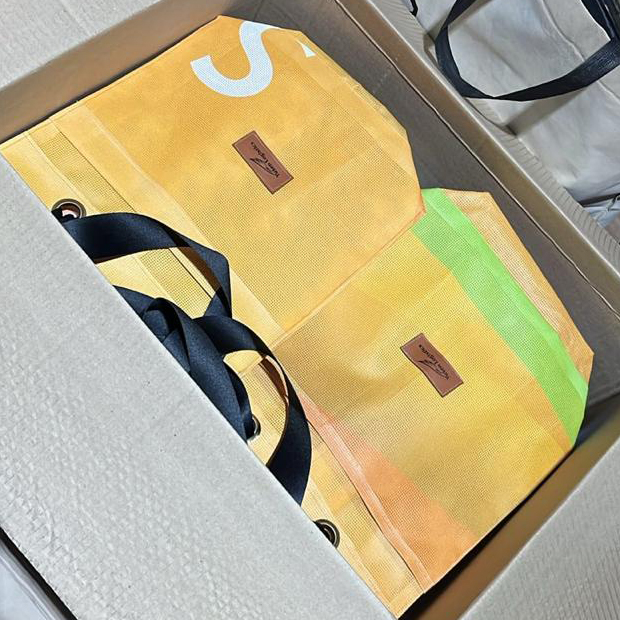
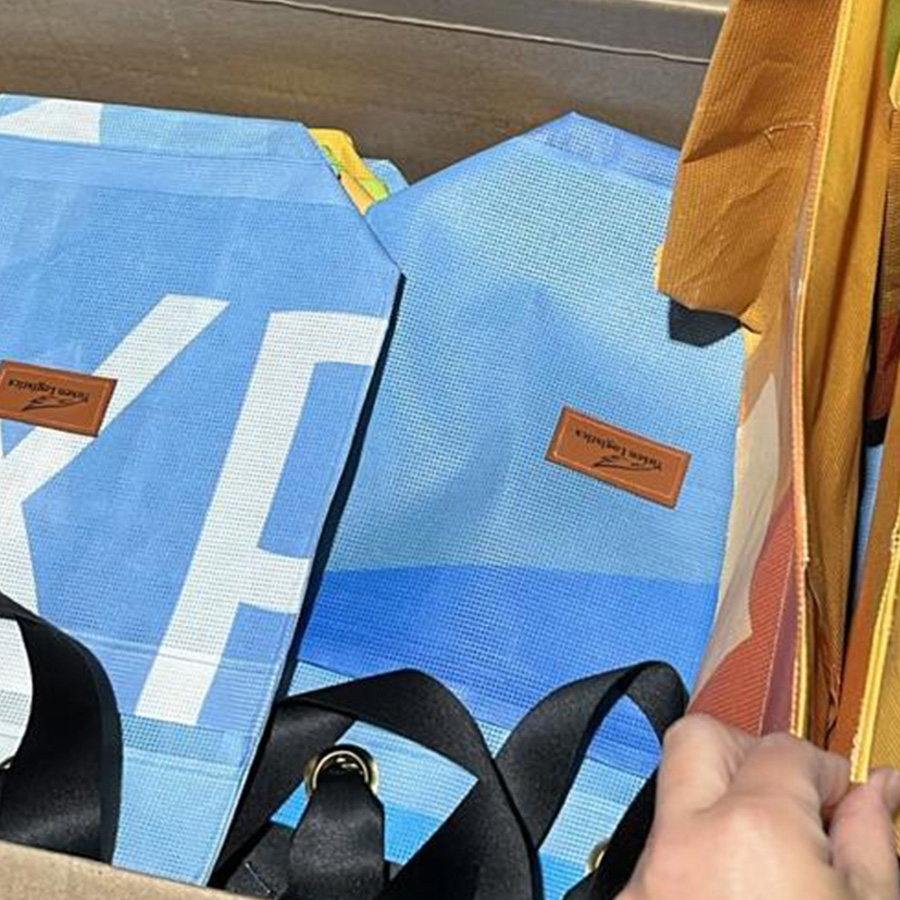
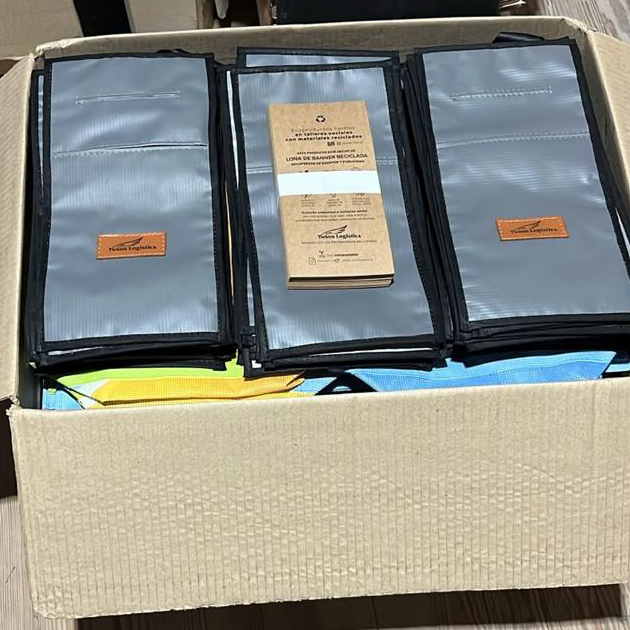
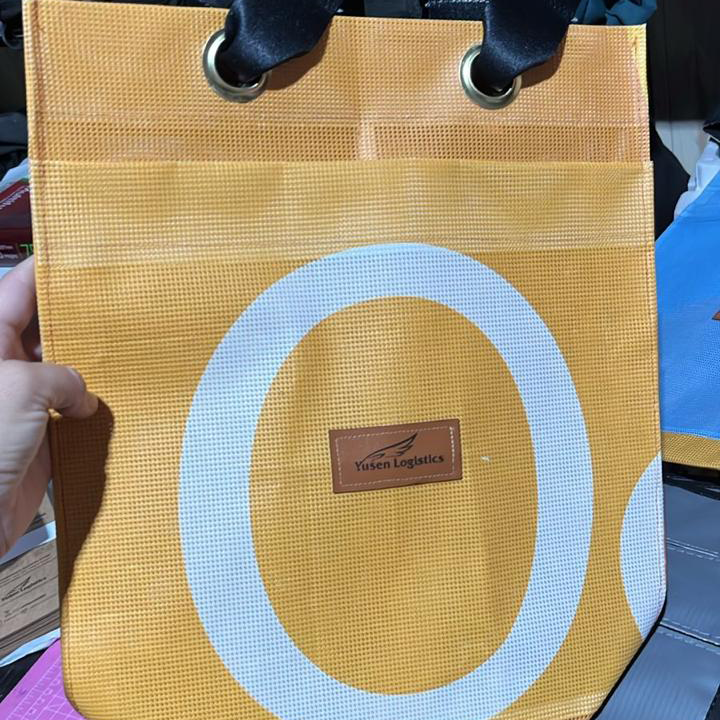
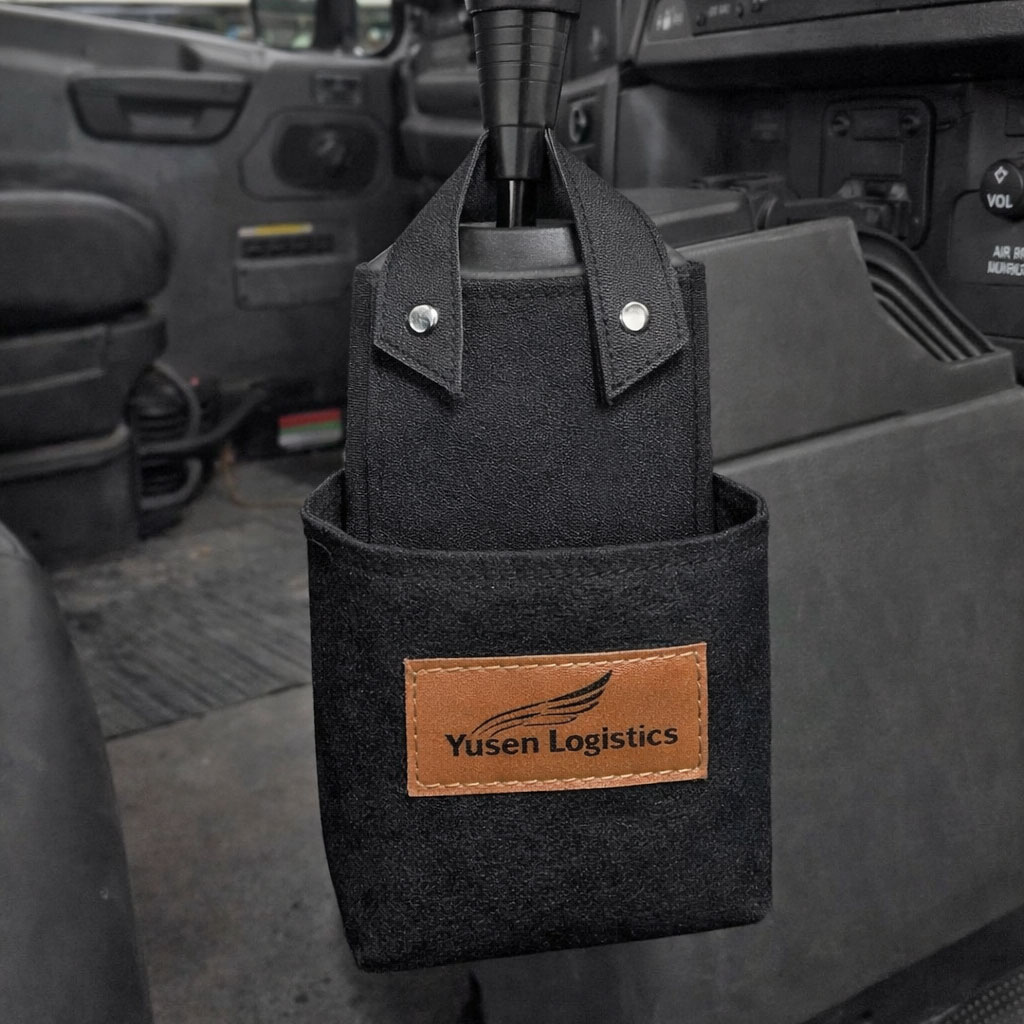
210 kg of recovered material, with 126 m² of banners and mesh and 73 m² of upholstery also recorded, transformed into mate sets, tote bags, travel bags and pouches.
REZET Global did the upcycling. REZET Hub worked alongside them on the metrics, so Yusen Logistics could share its impact with a record behind every figure.
Chosen from stock
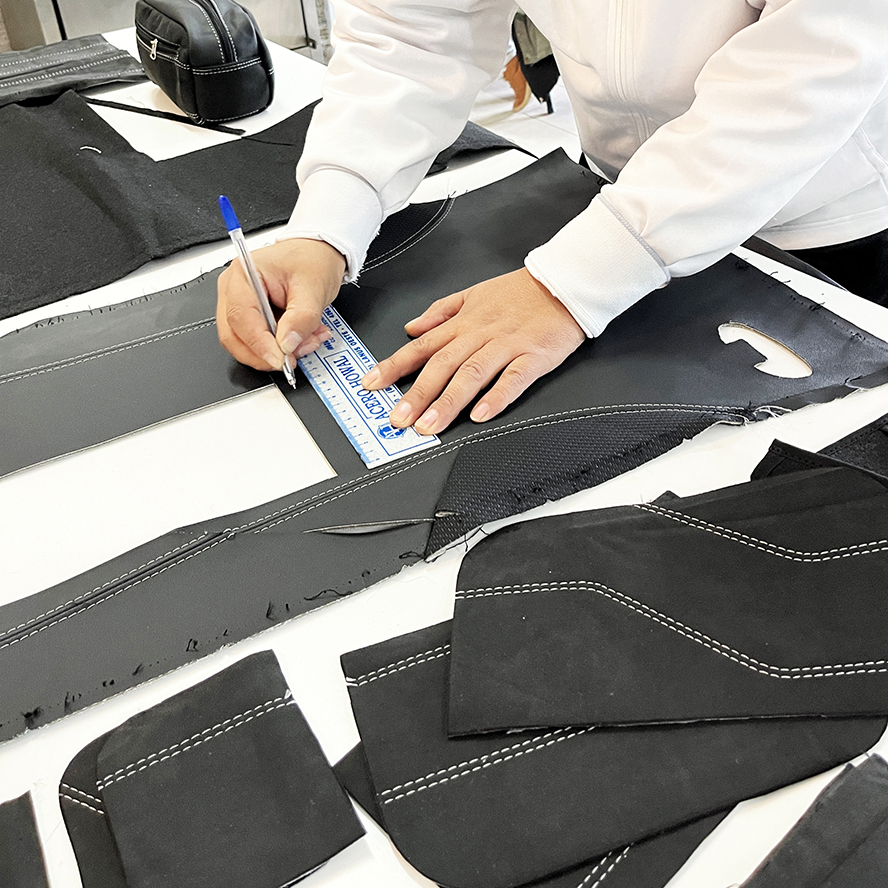
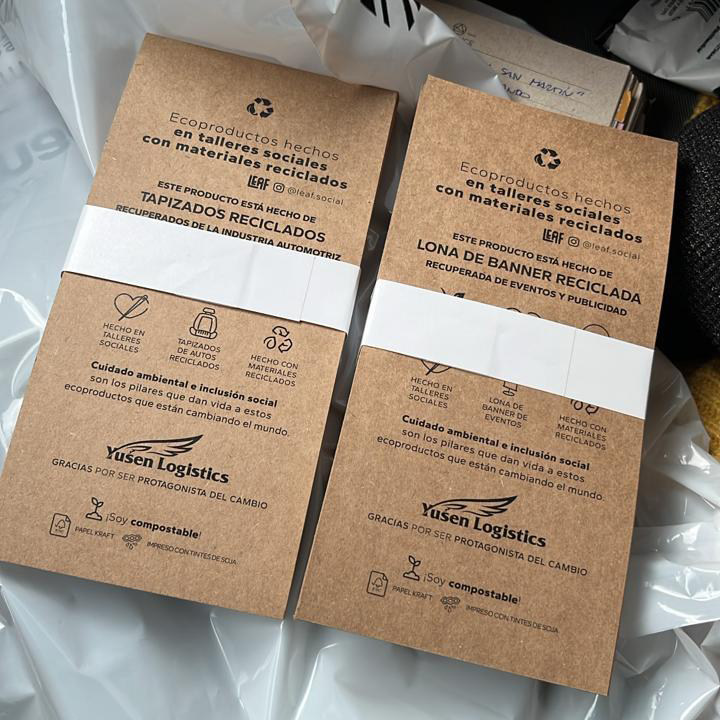
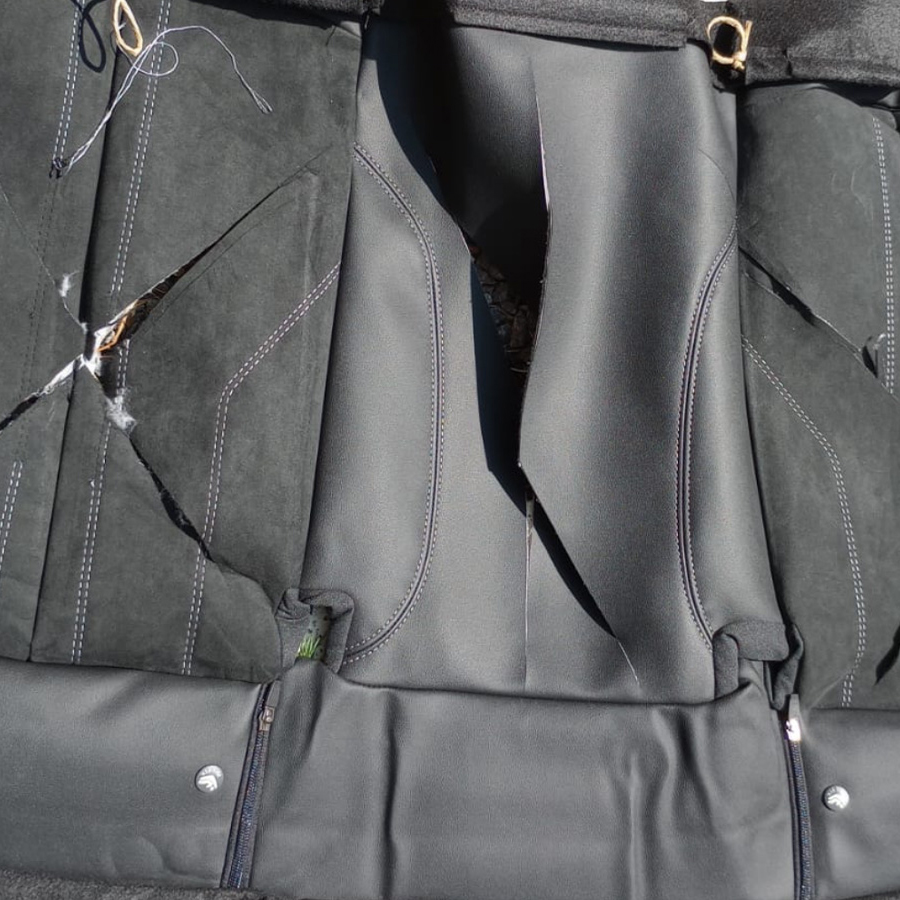
The materials came from REZET’s stock, recovered from other companies, including upholstery offcuts from the automotive industry. Yusen chose them by type and by colour.
Recorded by weight, and by area
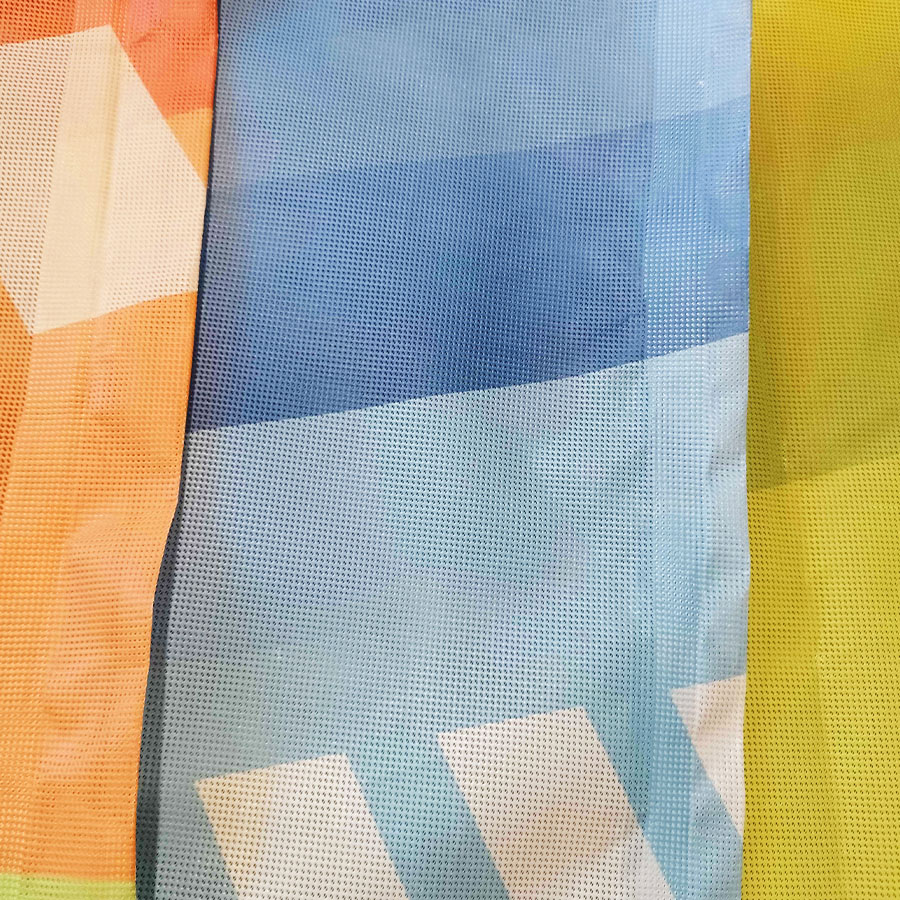
210 kg of offcuts by weight, with 126 m² of banners and mesh and 73 m² of upholstery recorded by surface.
Designed around the material
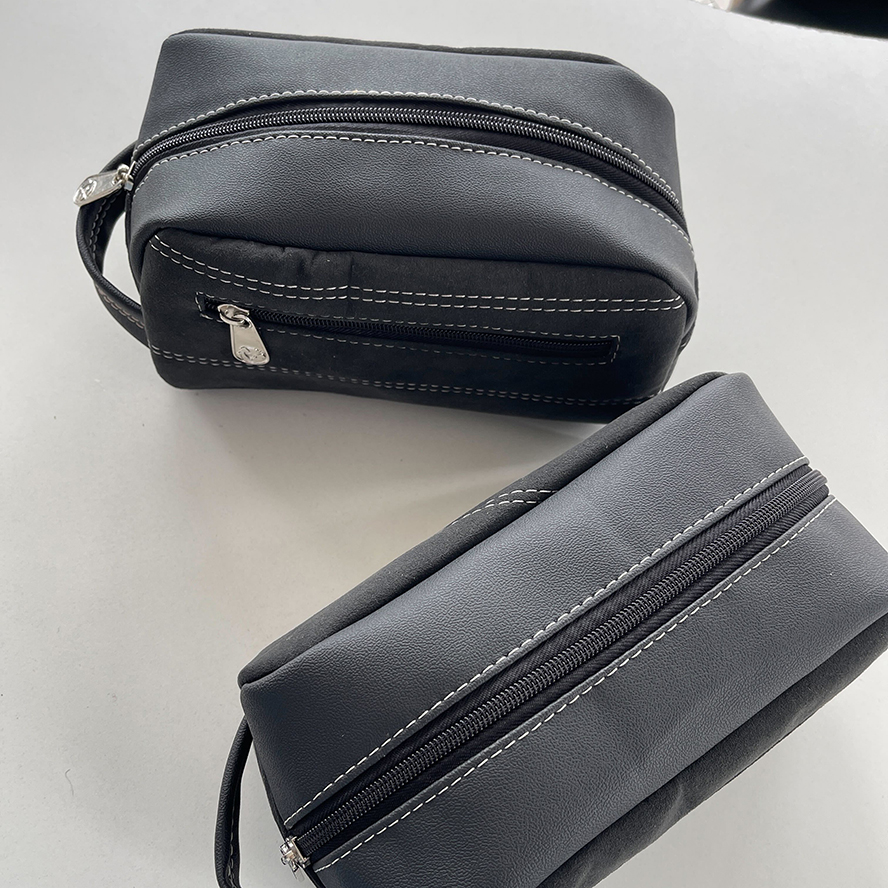
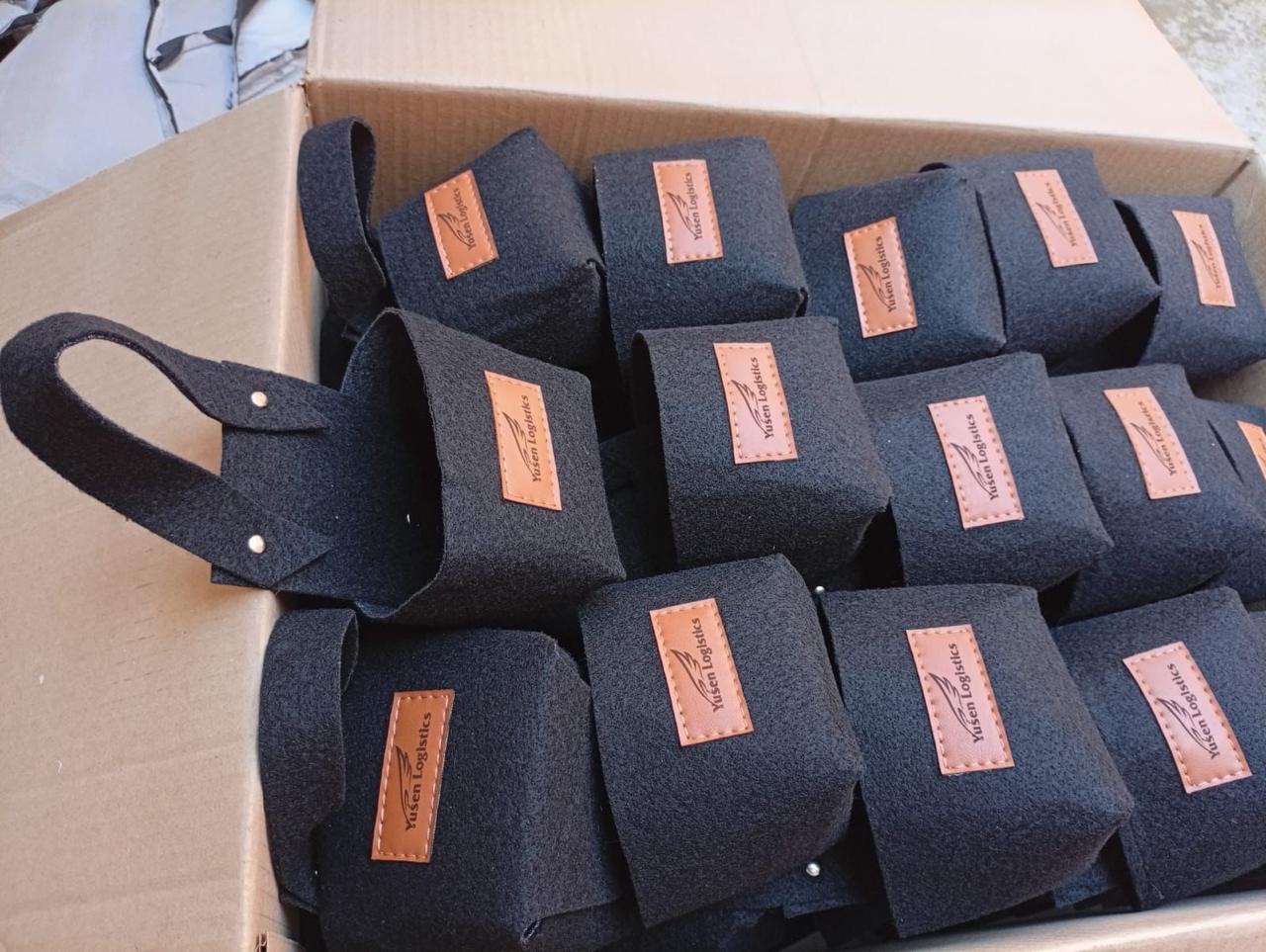
Four products designed around what each recovered material does best: the resistance of the upholstery, the strength of the banner and the lightness of the mesh.
A purchase with a record
Output reconciled against the recorded intake, so every gift can be traced back to the material it came from.
Outcome
You don’t need waste to create impact.
Yusen Logistics
Material mix
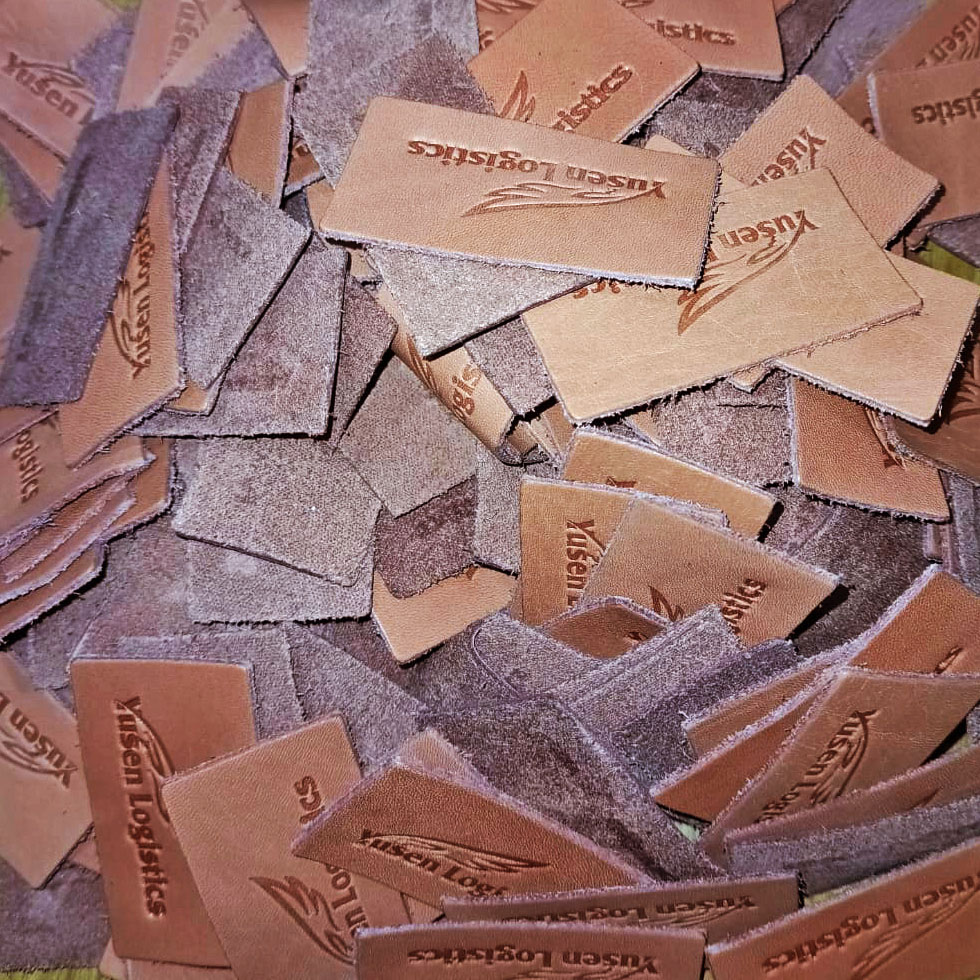
Yusen Logistics chose 210 kg of recovered material from REZET’s stock and turned it into its own catalogue of sustainable corporate gifts: mate carriers designed for life on the road, car rubbish bags and mate tote bags made from banners. Made by 12 people in social impact workshops. Any company without a waste stream of its own can do the same: choose the materials, choose the colours, and give gifts with a story.
Why measure
An impact claim is only as strong as its record.
- Every figure in an impact report should trace back to what was actually recovered, weighed and made.
- When the metrics are built together with the operator, the report is ready to share with clients and sustainability teams.
More organisations building circular programmes with REZET


















Build your impact record
Does your impact hold up when someone asks for the evidence?
We work with operators and brands to turn circular programmes into records their clients can trust.
Talk to REZET Hub