Case study · REZET Global × REZET Hub · Automotive · Argentina
Nissan: silobag & seat belt upcycling.
REZET Global did the upcycling. REZET Hub worked alongside them on the metrics, so Nissan could share its impact with a record behind every figure.
Proof
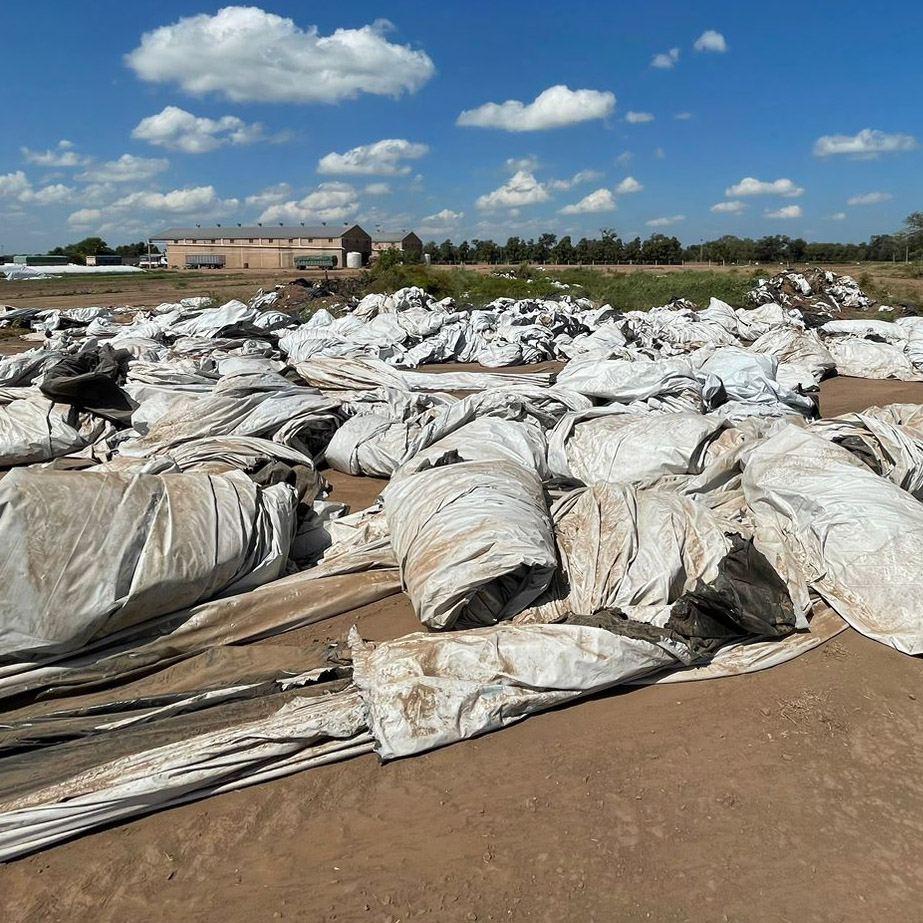
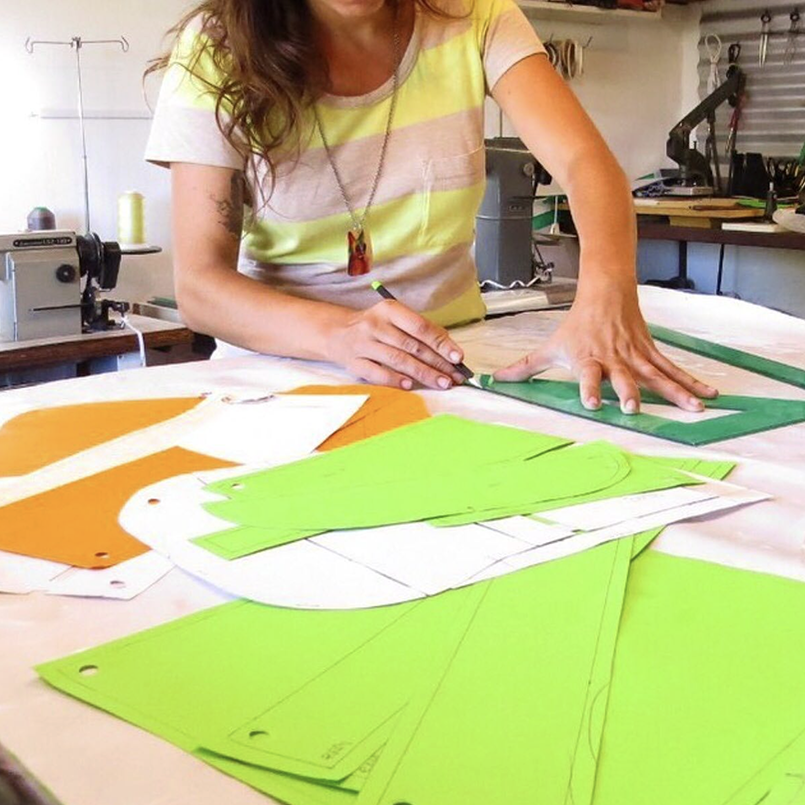
From the edge of a field to a finished strap.
Nissan invested in transforming the material rather than paying for its disposal, putting the budget into craftsmanship, durability and a product with genuine material value.
The material had more value left in it. With creativity, innovation and a trained eye, what others see as waste can be recognised for what it still has to offer, then redesigned around a new purpose without losing the story of where it came from.




Evidence · Measured with REZET Hub
Making Impact Traceable, Transparent & Verifiable.
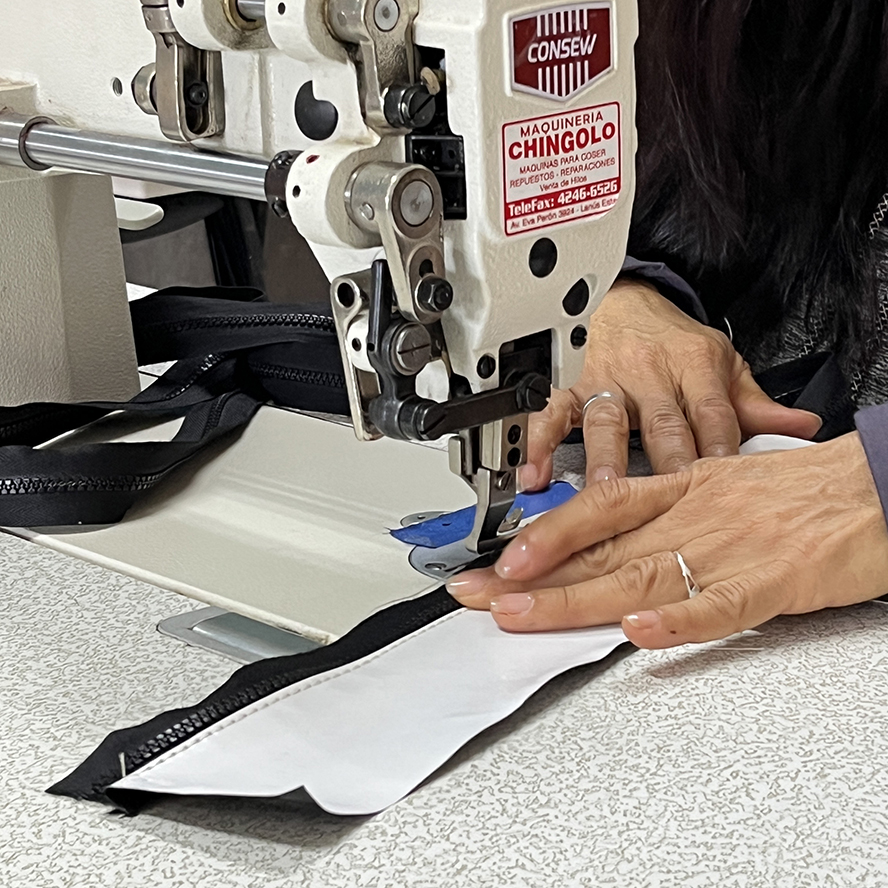
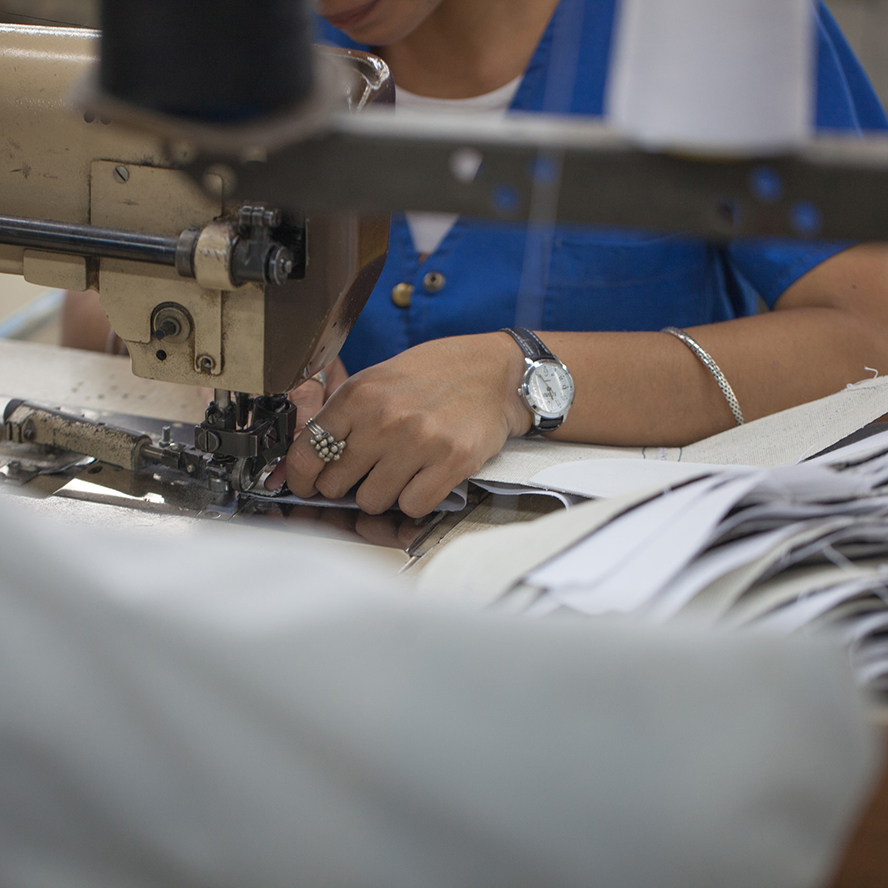
Both streams were measured at intake — 12.1 m² of silobag and 67 linear metres of seat belt — and the finished output was counted: 50 sling bags. Production ran at a social impact workshop, where the cutting and sewing were done.
REZET Global did the upcycling. REZET Hub worked alongside them on the metrics, so Nissan could share its impact with a record behind every figure.
Measure
Each stream quantified at intake, in its own unit.
Separate
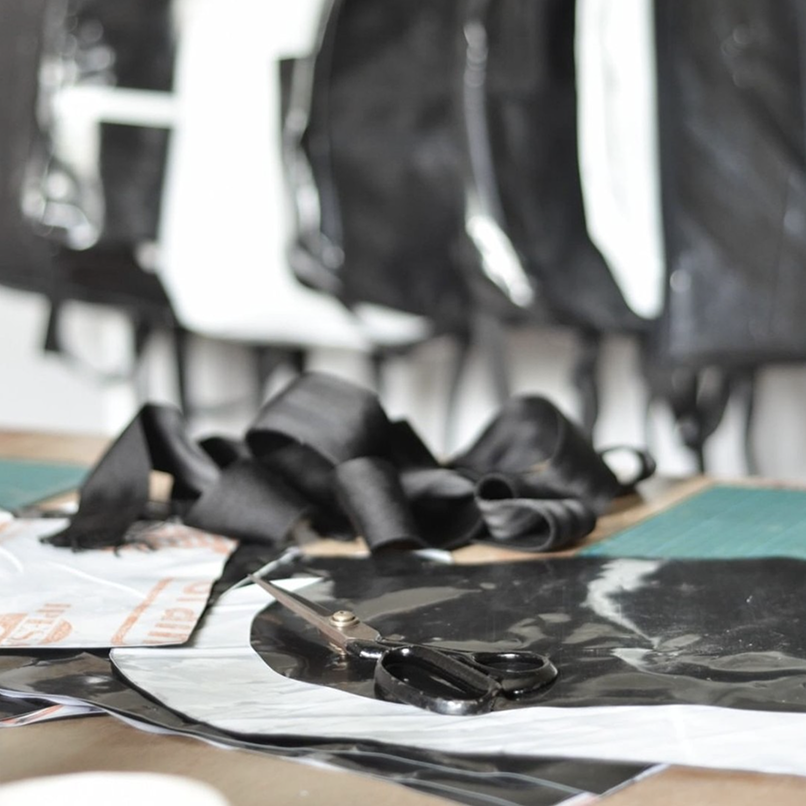
Two materials from two industries kept distinct through preparation and cutting.
Produce
Cutting and sewing at a social impact workshop, with the pattern designed around the material.
Quantify the impact
12.1 m² of sheeting and 67 m of seat belt kept out of waste, and 50 products delivered.
Outcome
Fifty objects that carry their own origin.
Nissan
Material mix
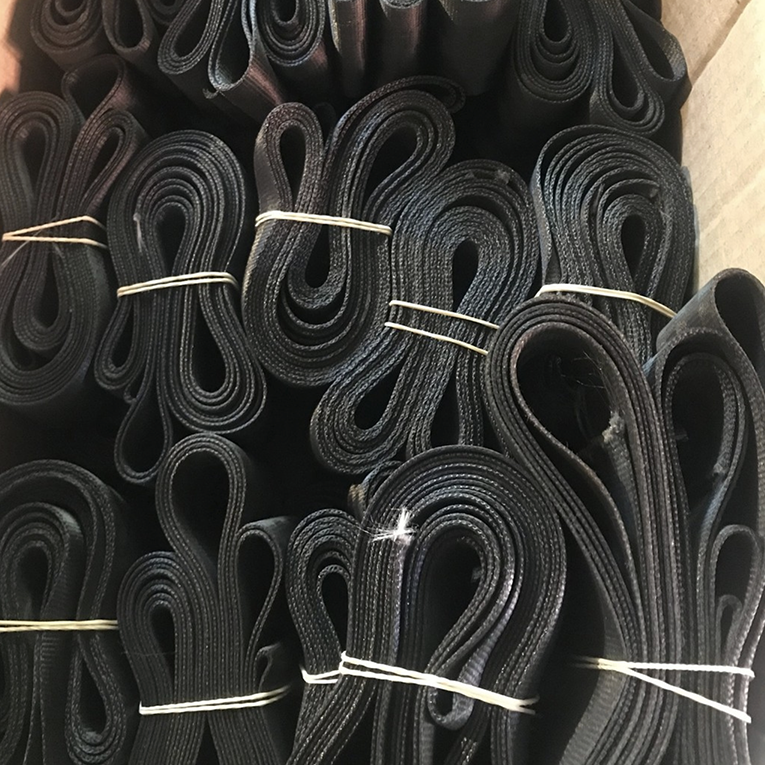
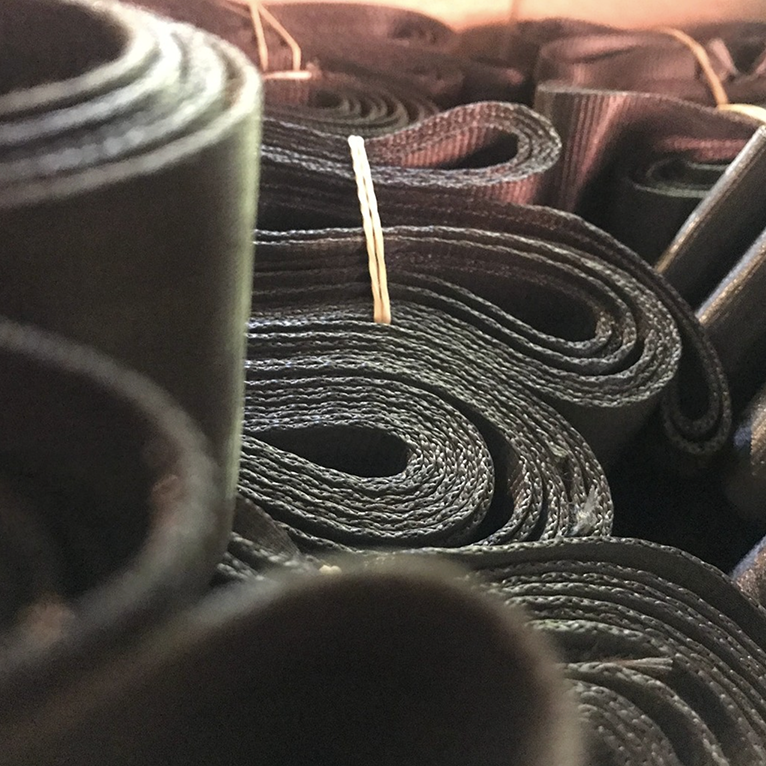
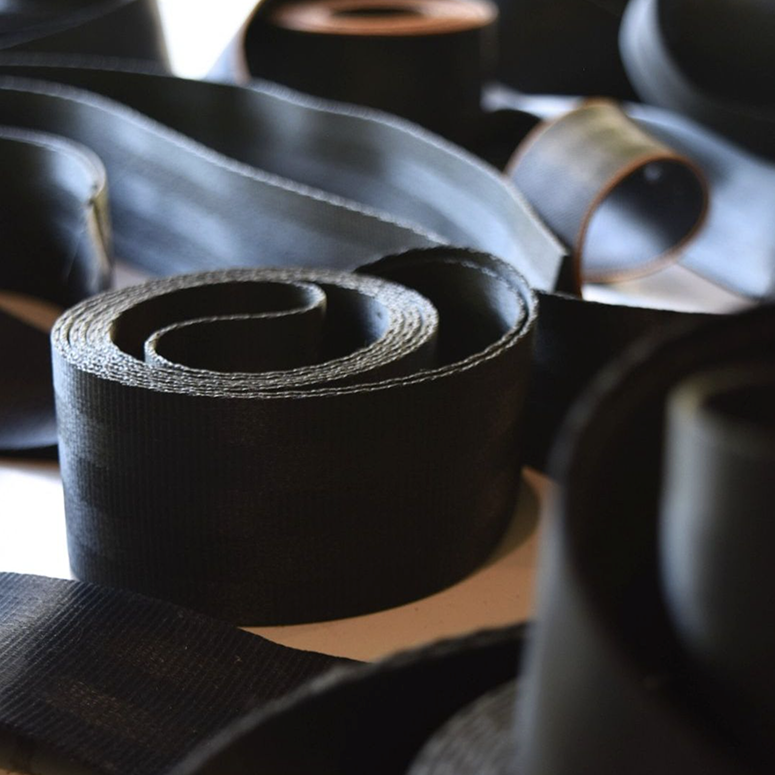
50 sling bags, from 12.1 m² of used silobag and 67 metres of recovered seat belt. Made by 4 people in social impact workshops.
A silobag protects a harvest for one season and is then dumped at the edge of the field. A seat belt is built to hold a person in a crash and leaves the industry with that strength untouched. Put together, they make an object that outlasts the merchandise it replaces — and whoever carries it can say exactly what it used to be.
Why measure
An impact claim is only as strong as its record.
- Every figure in an impact report should trace back to what was actually recovered, weighed and made.
- When the metrics are built together with the operator, the report is ready to share with clients and sustainability teams.
More organisations building circular programmes with REZET






















Build your impact record
Does your impact hold up when someone asks for the evidence?
We work with operators and brands to turn circular programmes into records their clients can trust.
Talk to REZET Hub