Case study · REZET Global × REZET Hub · Education · Argentina
Goethe-Schule: banner & silobag upcycling.
REZET Global did the upcycling. REZET Hub worked alongside them on the metrics, so Goethe-Schule could share its impact with a record behind every figure.
Proof
Five materials, each doing the part it is best at.
Goethe-Schule invested in transforming the material rather than paying for its disposal, putting the budget into craftsmanship, durability and a product with genuine material value.
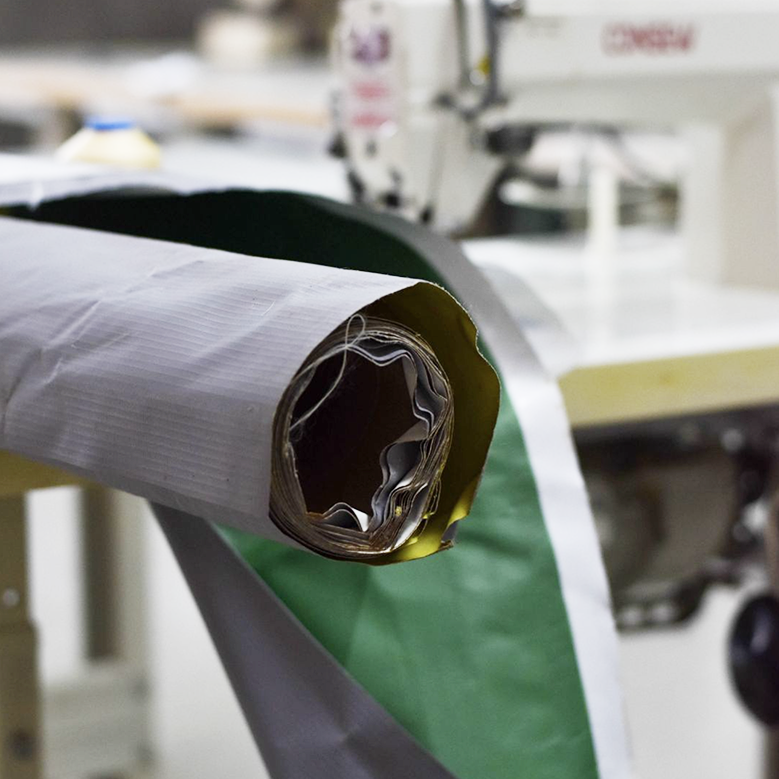
The material had more value left in it. With creativity, innovation and a trained eye, what others see as waste can be recognised for what it still has to offer, then redesigned around a new purpose without losing the story of where it came from.

Evidence
Making Impact Traceable, Transparent & Verifiable.
Five streams quantified separately and combined into tote bags, notebook sleeves and pouches.
REZET Global did the upcycling. REZET Hub worked alongside them on the metrics, so Goethe-Schule could share its impact with a record behind every figure.
A little of everything
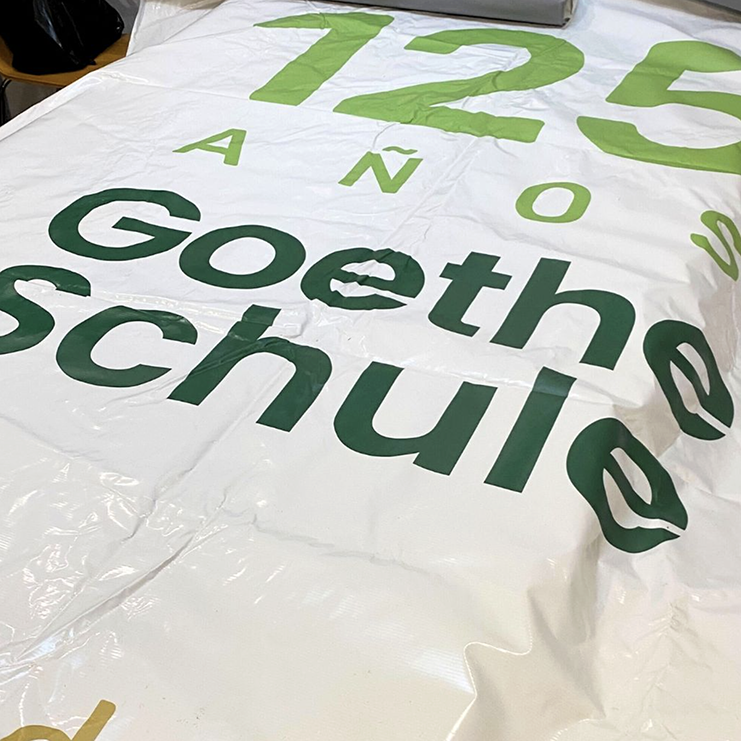
Five streams collected across several industries — the hardest kind of supply, because no single one is enough to plan with.
Down to 2.8 metres
Each quantified in its own unit, including the seat belt. Small quantities are exactly the ones that usually go unrecorded.
Assigned by what each withstands
Seat belt for handles, banner for structure, upholstery for the face, silobag for what has to stay dry. The mix is engineered, not decorative.
A traceable mix per piece
Each finished item carries the combination it was made from, so a collection built out of five origins can still be reported as five origins.
Outcome
From a little of everything to one collection.
Goethe-Schule
Material mix
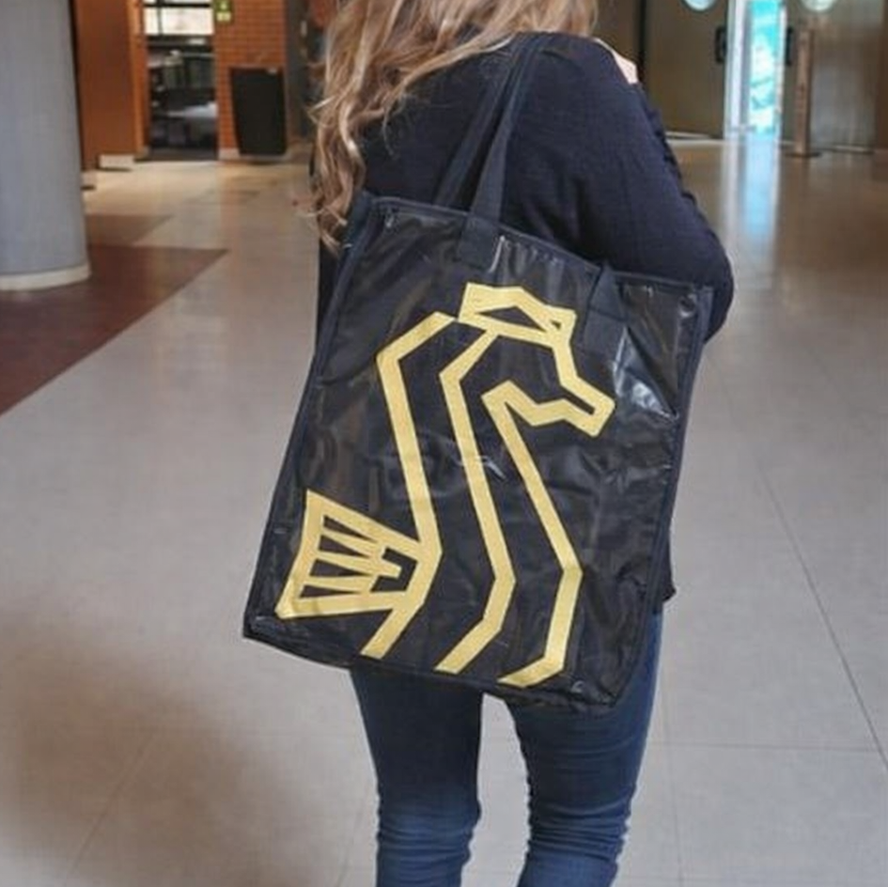
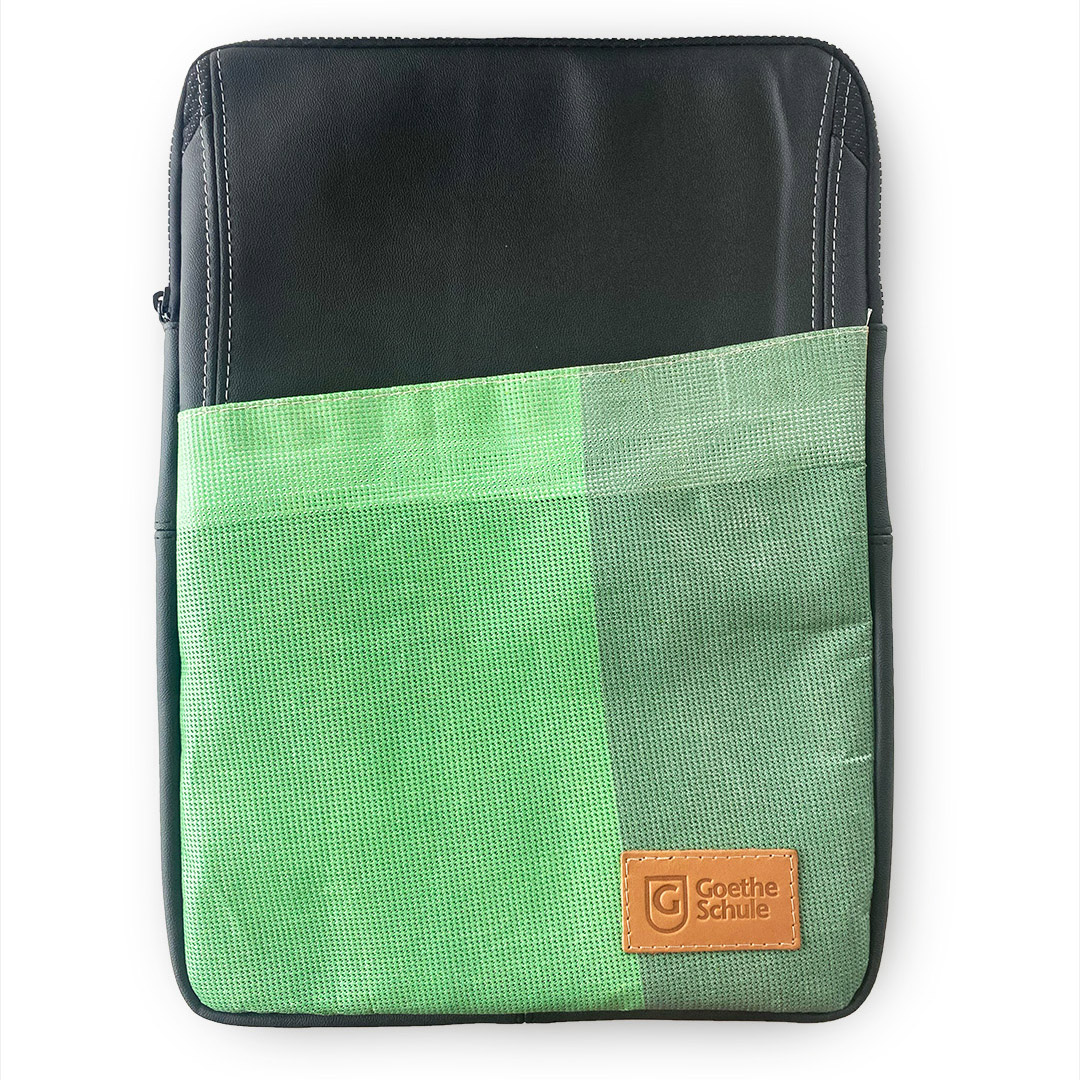
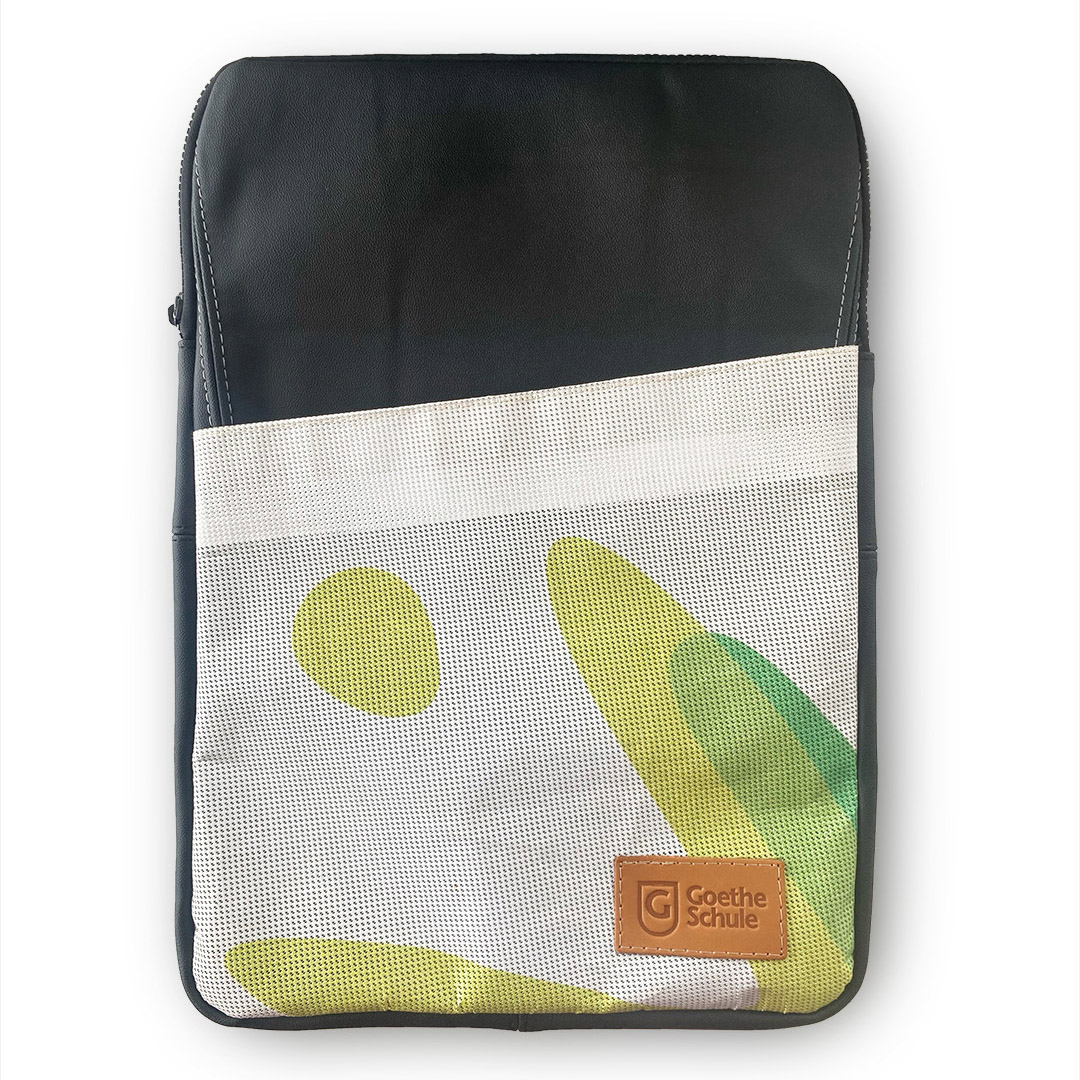
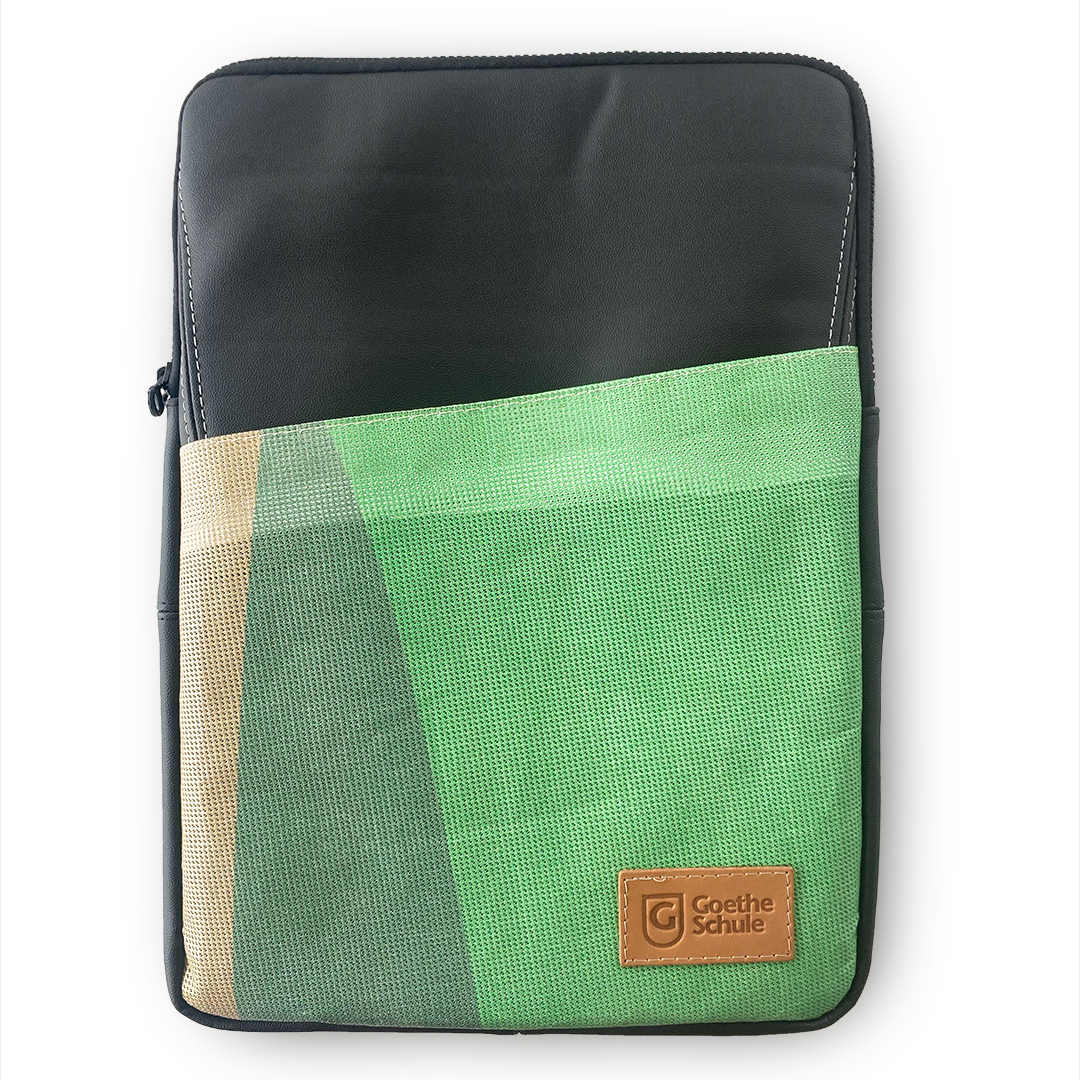
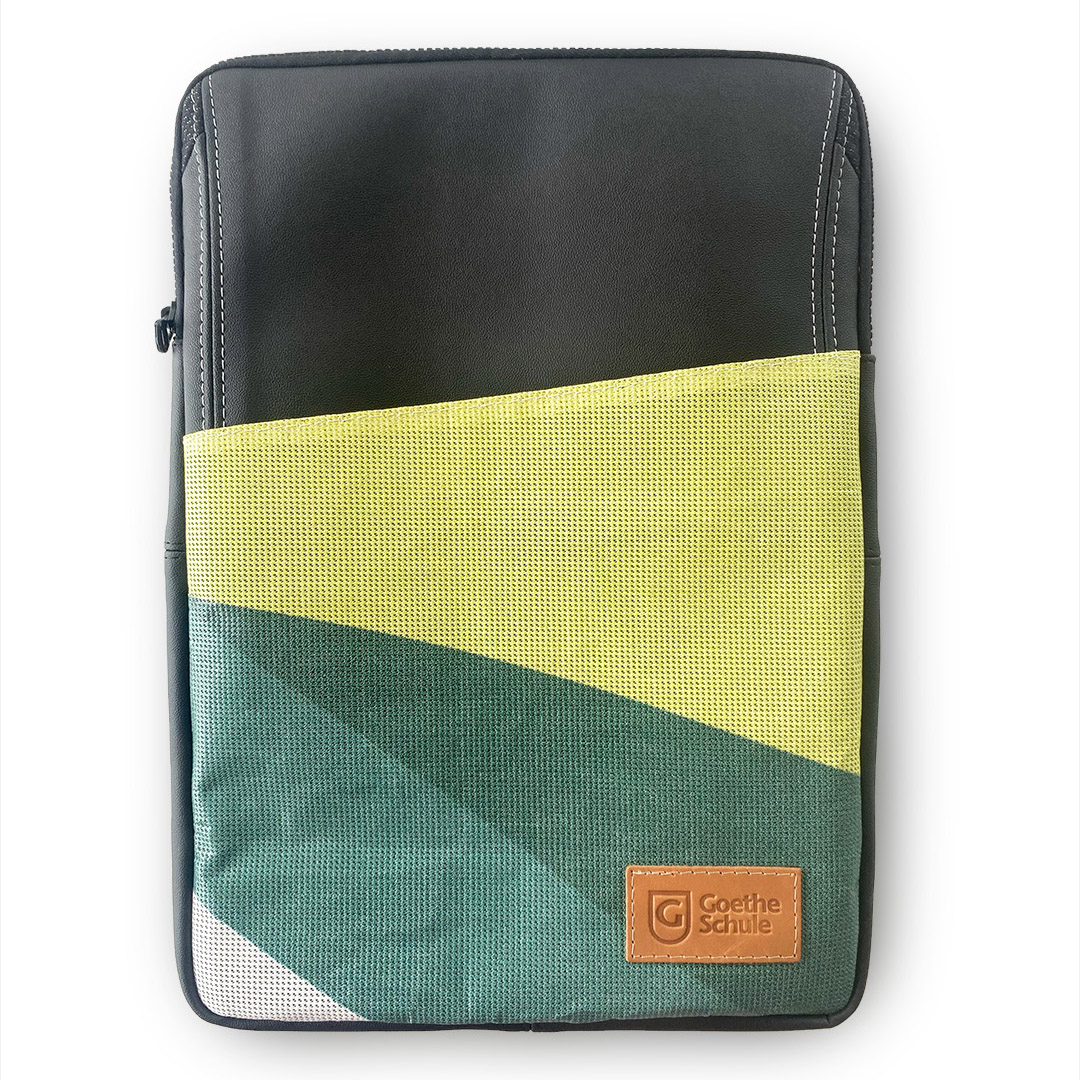
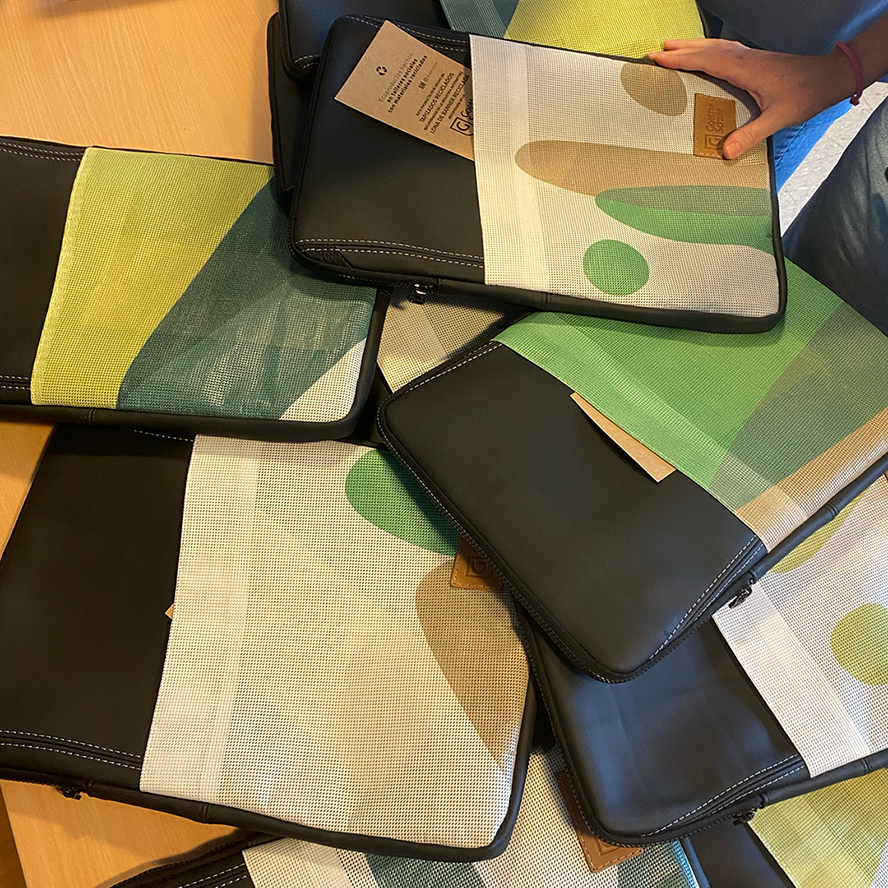
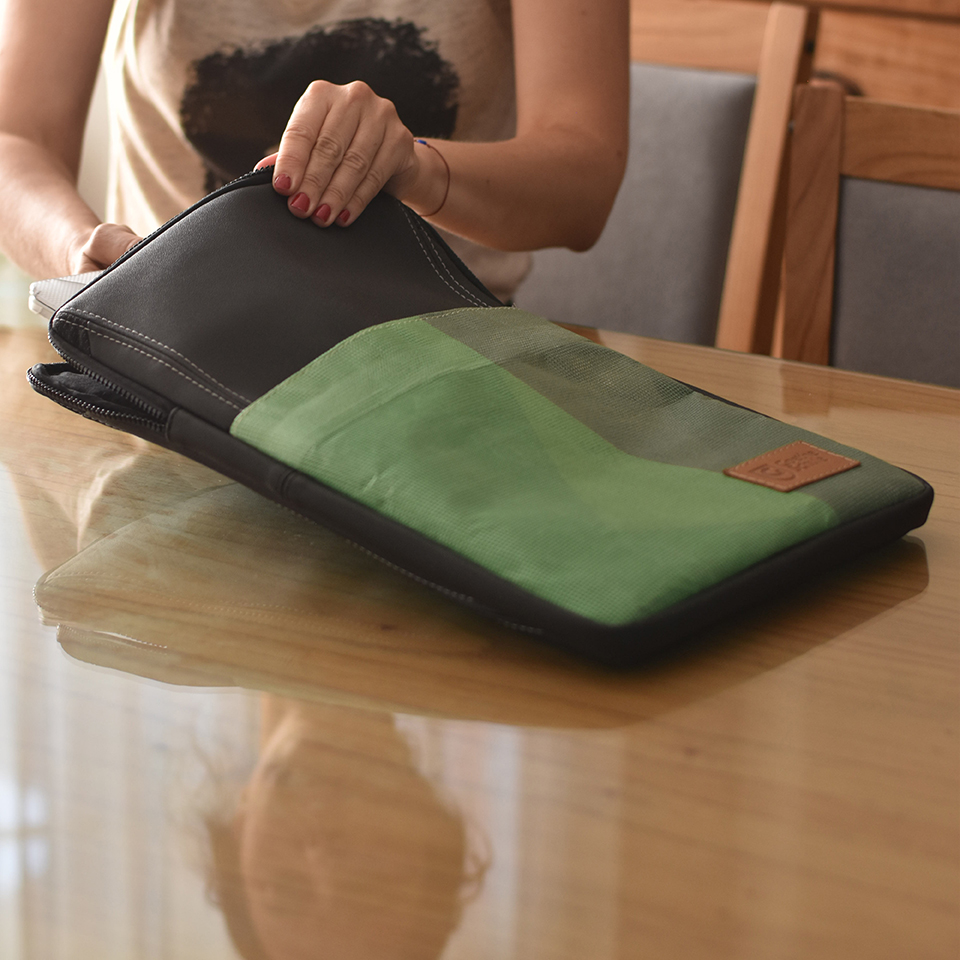
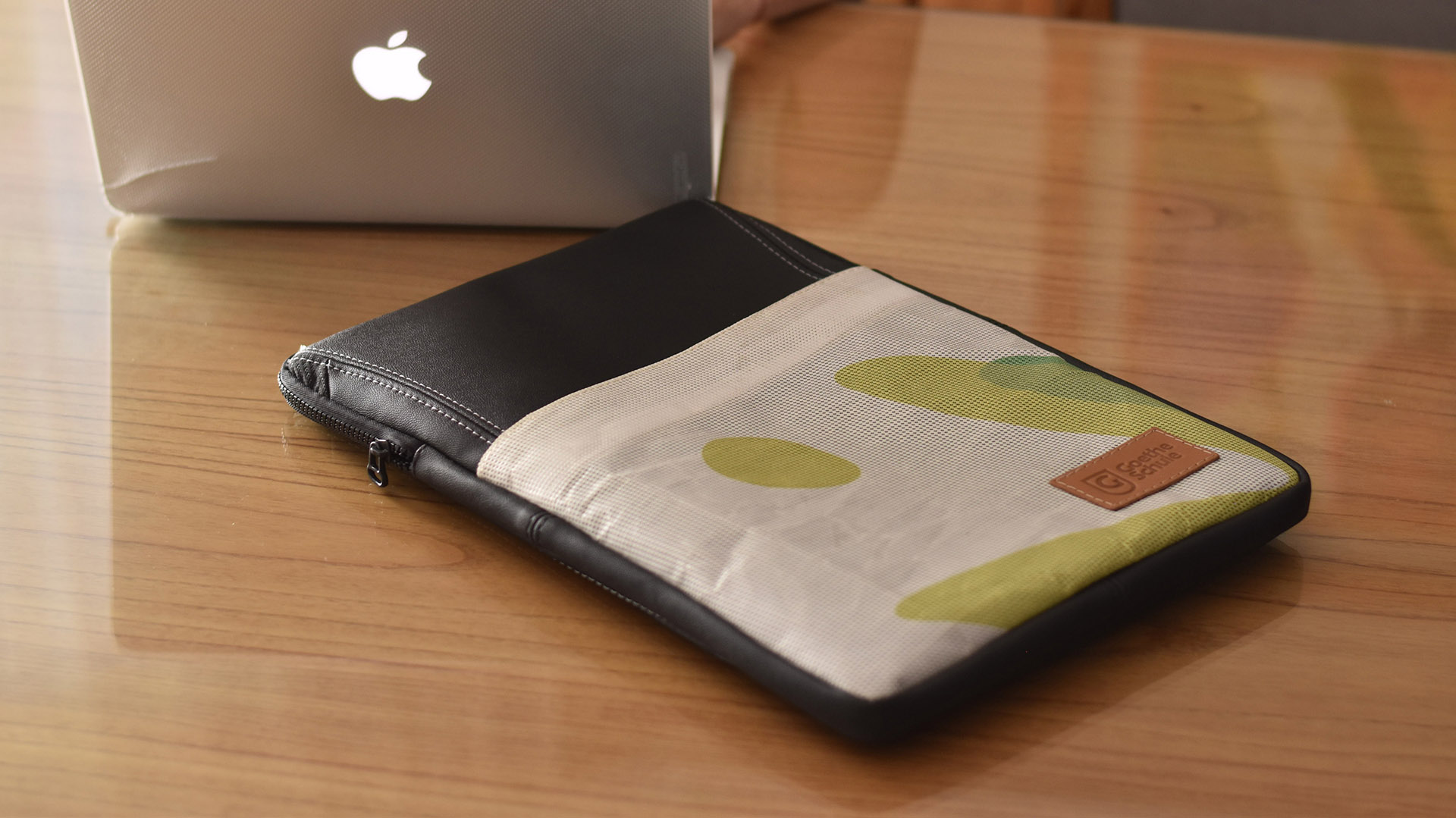
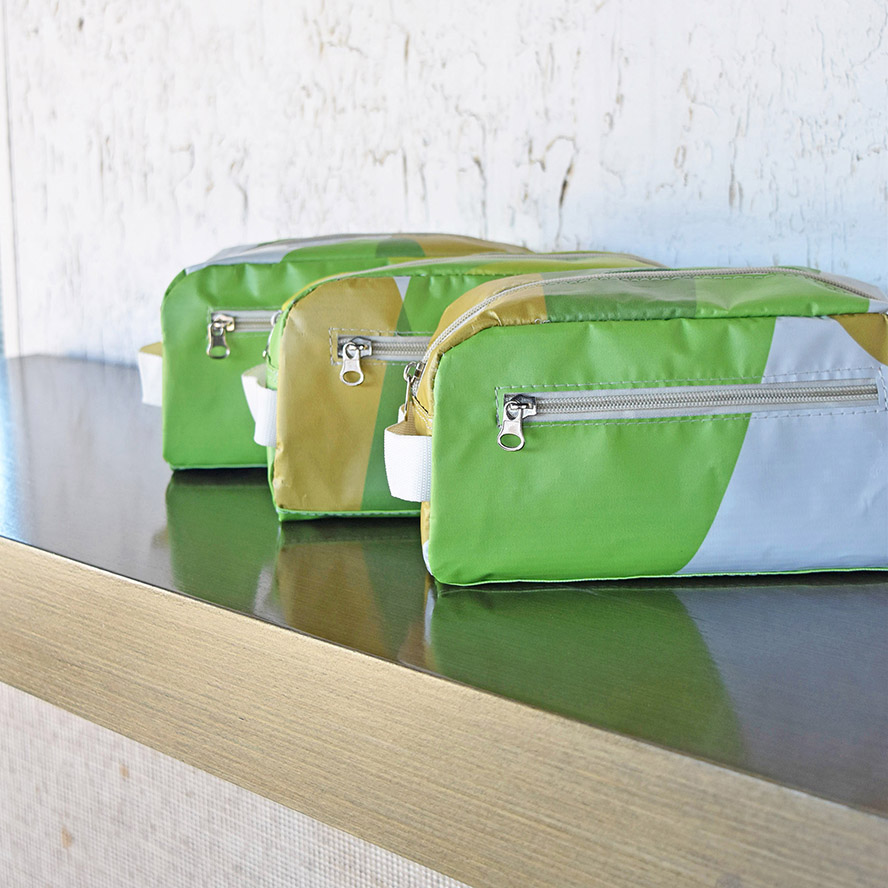
Flags, banners, silobags, seat belts and automotive upholstery became tote bags, notebook sleeves and pouches. Each waste stream has a distinct texture, history and technical property, and each piece carries more than one of them. Made by 5 people in social impact workshops.
Why measure
An impact claim is only as strong as its record.
- Every figure in an impact report should trace back to what was actually recovered, weighed and made.
- When the metrics are built together with the operator, the report is ready to share with clients and sustainability teams.
More organisations building circular programmes with REZET






















Build your impact record
Does your impact hold up when someone asks for the evidence?
We work with operators and brands to turn circular programmes into records their clients can trust.
Talk to REZET Hub