1 of 4 · IDENTIFY
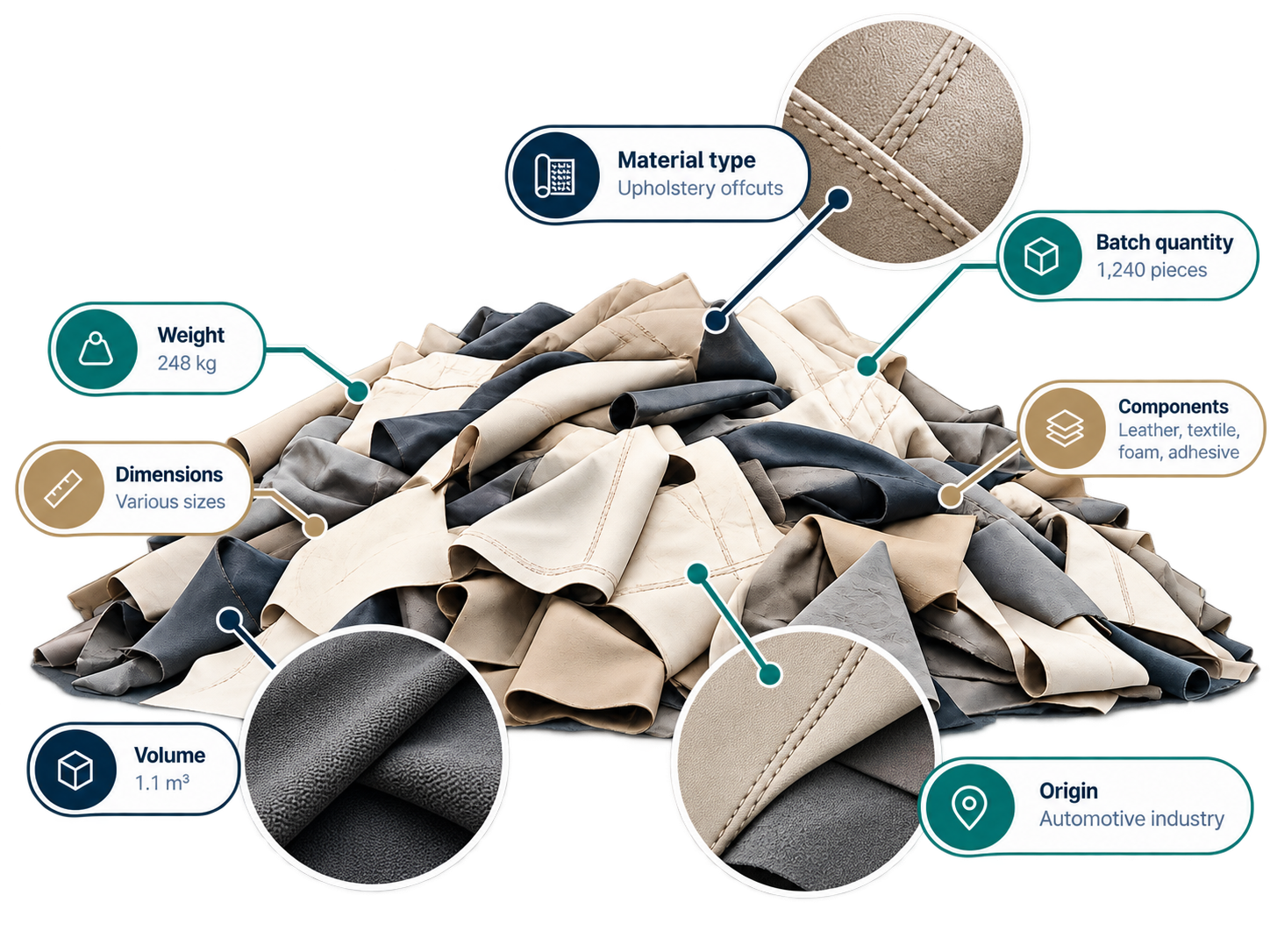
Start with a clear record of the material.
Capture what the material is, how much there is, where it comes from, which site it belongs to and who is responsible from the moment the batch enters the system.
- CaptureBatch-level provenance from the source
So every batch begins with a reliable baseline, not an assumption.
2 of 4 · CONNECT
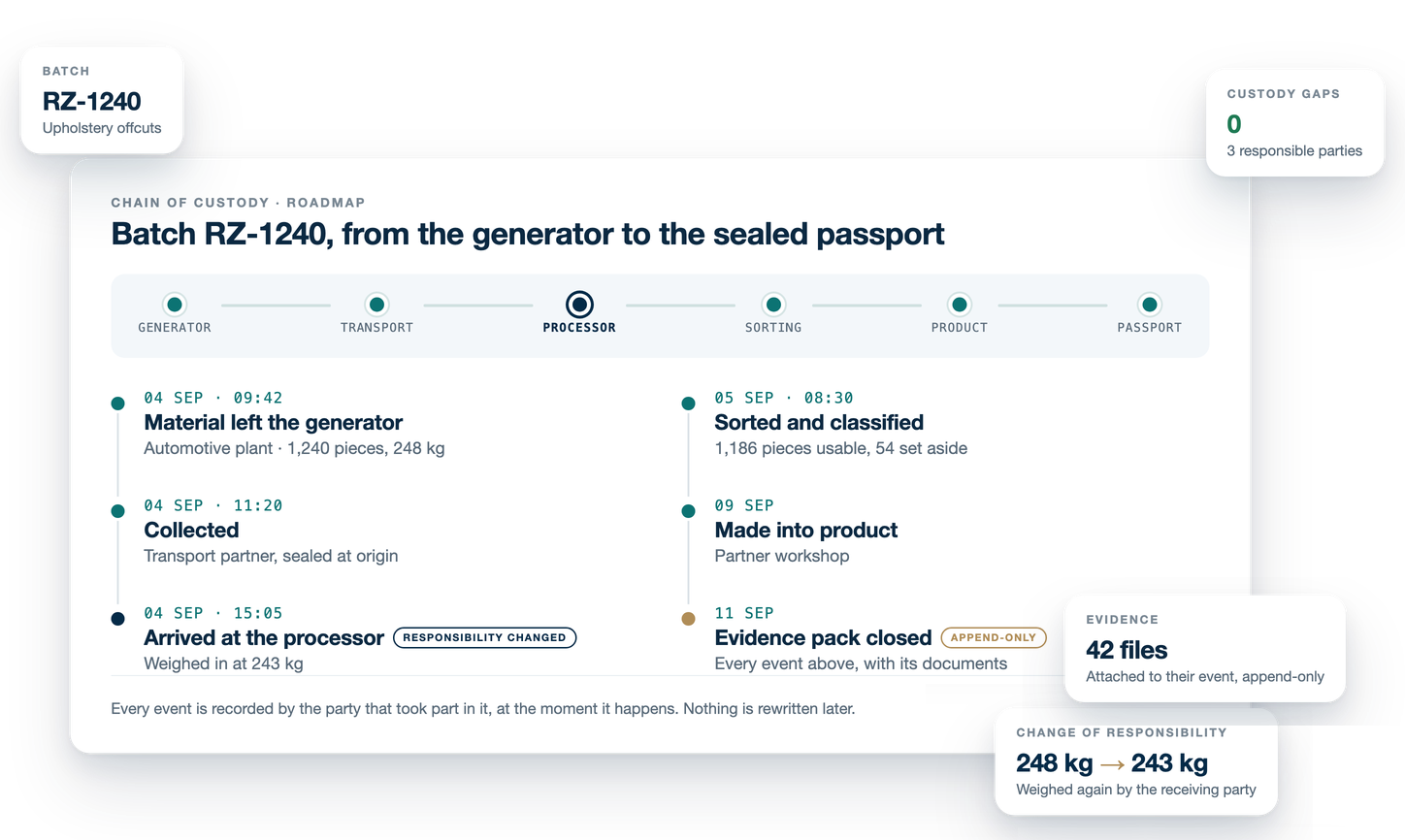
Keep the record connected as the material moves.
Link generators, transporters, processors and other participants to the same batch as responsibility changes.
- TrackEach handoff adds evidence to the same chain of custody
- Updates are captured by the people involved, when the event happens
So you can follow the material without chasing contractors or reconstructing handoffs later.
3 of 4 · VERIFY
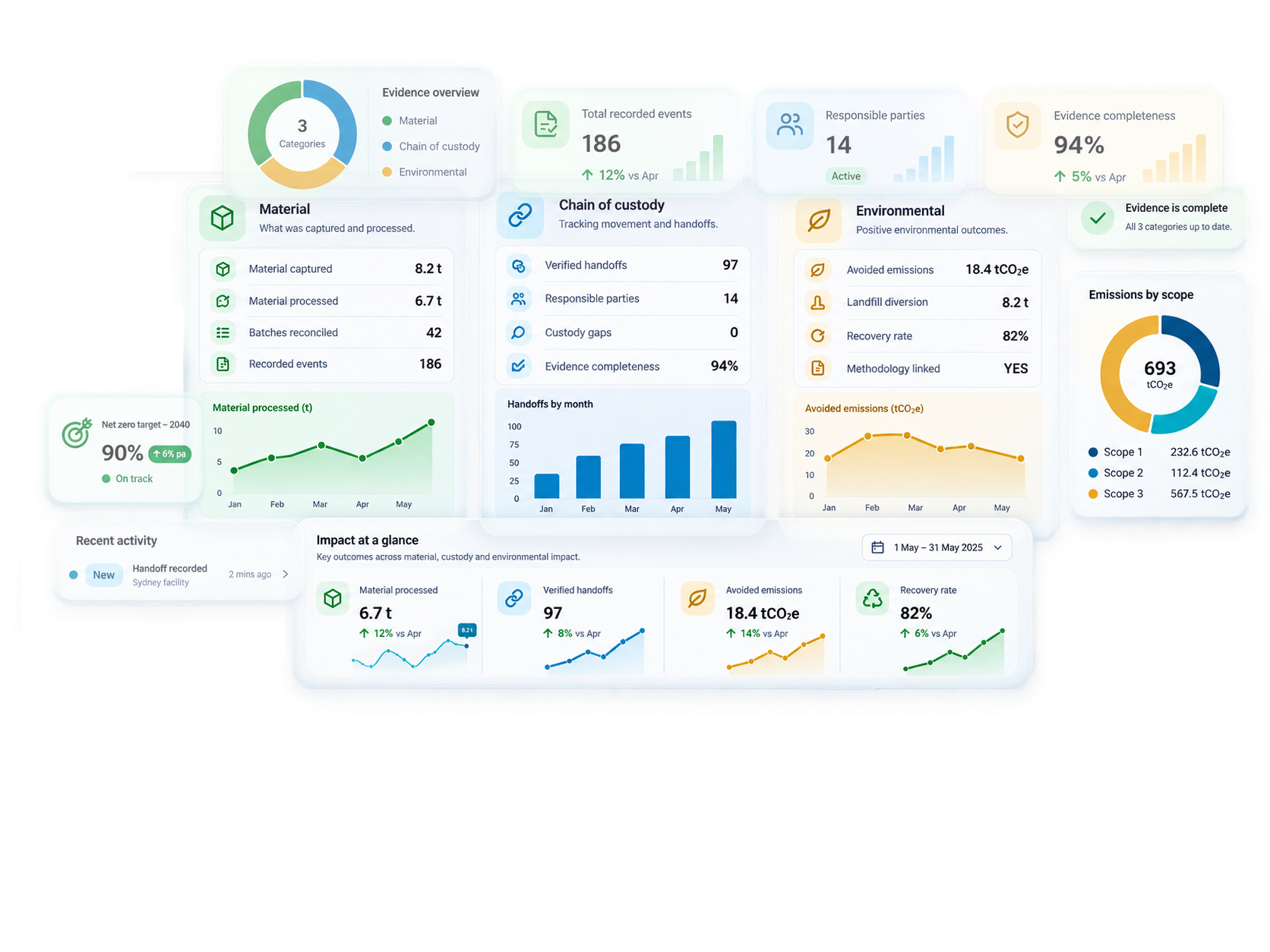
Reconcile the record with what actually happened.
Connect movements, processing events, inputs, outputs, custody changes and supporting documents back to the original batch.
- ReconcileEvidence follows the material through processing and recovery
- Discrepancies are surfaced when recorded data and material movements do not align
- Supporting documents remain attached to the relevant event and batch
So reported outcomes are supported by a complete, traceable evidence trail.
4 of 4 · USE
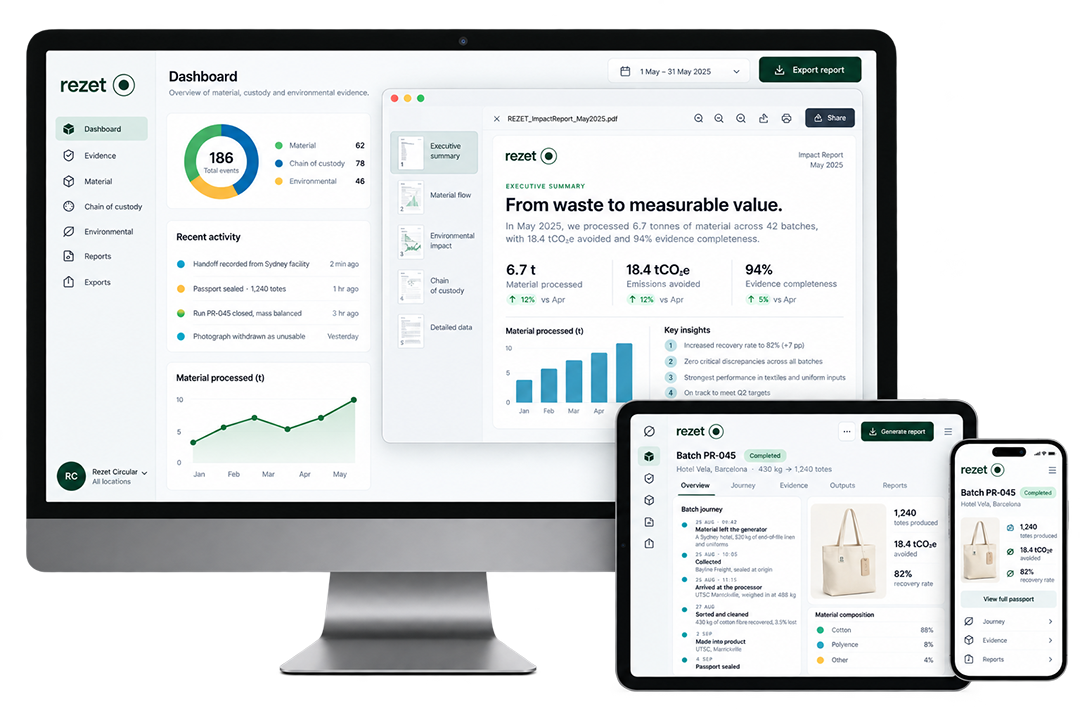
Turn evidence into decisions and multiple business outcomes.
Use the structured evidence for reporting, audits, procurement, circularity analysis, Digital Product Passports and other downstream requirements.
- TraceBatch-level provenance, custody and material history in one continuous record
- MeasureConnect inputs, outputs, transformation and recovery to support measurable material and environmental outcomes
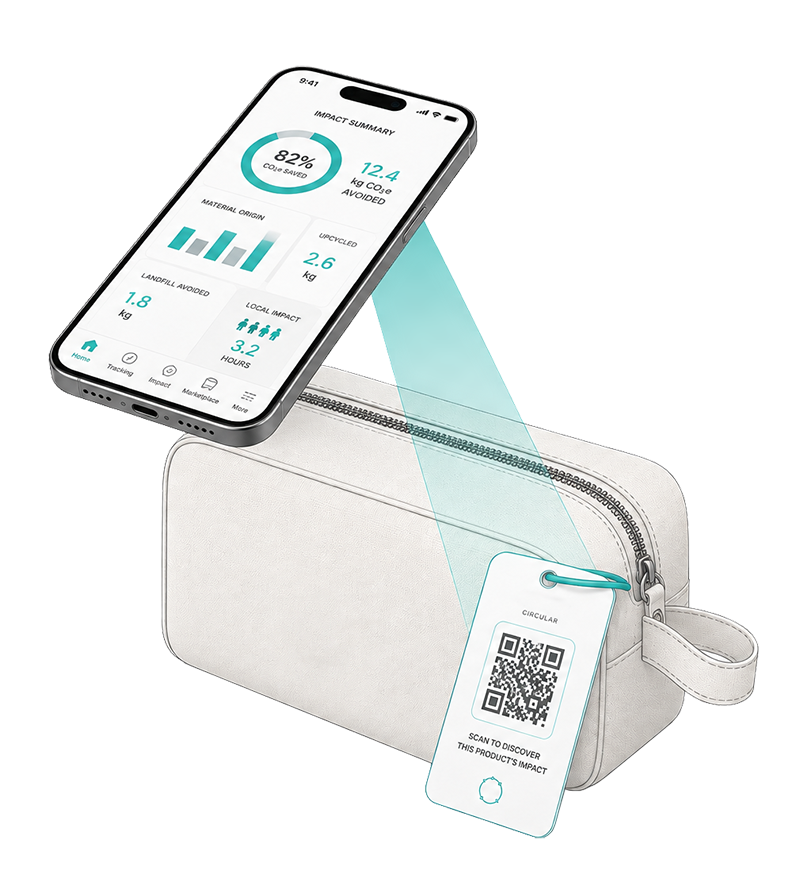
- ShareCreate QR-linked Digital Product Passports for authorised buyers, auditors and regulators
- ExportPrepare structured evidence for reporting, review and audit
So one record can answer the auditor, inform the Board and give the buyer confidence.